Larmandier-Bernier: Benchmark Blanc de Blancs
“In a region that still produces far too many meager, brittle wines, Larmander-Bernier reminds us of the plenitude and texture of which great Champagne is capable.”
William Kelley, The Wine Advocate
Champagne has for generations been synonymous with celebration and prestige, but as with so many things nowadays, we’ve seen a significant veer towards commercialism and marketing. Vineyards and brands are being snapped up by corporate powerhouses and stakeholders who see the vines as plots on a graph.
To say that ‘small is beautiful’ and ‘big is bad’ is an oversimplification, we know – large Négociants and Maisons can (and do,) produce exceptional cuvées – however this is no longer exclusively their domain. There are some valiant Davids amongst these vinous Goliaths.
One of which is our beloved Larmandier-Bernier. At Dhall & Nash, we pride ourselves on respecting those who create wonders by patiently loving, toiling and knowing their small piece of earth through the generations – and this eighth generation family endeavour working 47 acres of meticulously tended organic & biodynamic vineyards embody our core values in every way.
Larmandier-Bernier - At Its Core
“Some growers are known for their focus on the vines, others for their attention in the winery, but few find a balance in every detail like Pierre Larmandier.”
Tyson Stelzer, The Champagne Guide 2018-2019
If one had to describe Larmandier-Bernier in an absolute nutshell, they’d say it’s a family estate specialising in organically-grown grands crus.
Their natural approach to the growing extends to their winemaking and they favour a very low-interventionalist style following their comparatively late harvest.
Their wines have garnered strong praise and a bit of a cult following from fellow winemakers, critics and day-to-day drinkers (more on this later…)
But let’s crack open the nut and drill down a bit.
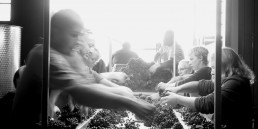
Larmandier-Bernier - Eight Generations of Champagne
The Larmandier family have been involved in Champagne since the 1700’s, with the first written evidence of such being in 1756 (the same decade that the Gregorian calendar replaced the Julian calendar, so some could say they’re as old as time itself!)
“In 1856, there was an average harvest of 10 casks per acre: that doesn’t seem much, but in those days, there were no American vines, no fertiliser even. Only the soil and the sun could nourish the vines.”
Louis Prosper Larmandier (Current generation – Pierre’s – great-great-grandfather).
Production remained small for decades, the world was less globalised than now (said as we write about this from New Zealand.) Though small, the Larmandier reputation was big. In the 1950s Jules Larmandier, followed by his son Phillipe Allyre Larmandier, became a supplier for some of Paris’ greatest restaurants (La Tour d’Argent, Taillevent, Charlot roi des coquillages, etc.).
The birth of modern Larmandier-Bernier came in the early 1970’s (which we regret to inform you was over 50 years ago, even if it feels as though it should be 30…) Phillipe Larmandier combined forces with his wife Elisabeth Bernier – an owner of vineyards in Vertus, where they built their cellar.
In 1988, one Pierre Larmandier followed in his parents’ footsteps, returning to the profession that “runs through his veins.” Whilst the decision was one born of passion, it was somewhat expedited. Phillipe, his father, died at the age of just 44. Elisabeth stayed at the helm, holding it down until Pierre, who was at university, was able to complete his studies and return home. At this time, the vineyard holdings were around 10 hectares.
Pierre Larmandier - The Organo-Realist
Some of Pierre’s first decisions upon coming aboard at this family estate alongside his wife, Sophie, were to move into organics. “Only the soil and the sun,” was interestingly the passing comment made by his great-great-grandfather that would come to represent his philosophy quite well.
They started dabbling in 1992, and then doubled down by moving to fully biodynamic viticulture by late 1999 after a trip to Burgundy’s Domaine Leflaive.
“It was really there that we realized you could do something serious with biodynamics,” Pierre told Robert Camuto for The Wine Spectator. It was around this time they began to use only indigenous yeasts in the fermentation process too. They have been certified organic since 2003 and biodynamically certified since 2004.
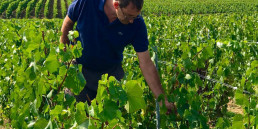
“Pierre describes himself as an ‘organo-realist,’” explains Tyson Stelzer in the 2018-19 Champagne Guide, “Every time I visit, he whisks me off in his four-wheel drive to one of his key plots in Vertus. “We’re not too concerned about a little disease in the vineyards. Some people say grass is a disease too!” Larmandier cultivates grasses in the mid-rows during winter and ploughs until close to harvest.”
“He considers an absence of herbicides to be the key in the vineyard. ‘Organic or not is less important than abandoning herbicides,’ he suggests. ‘Everyone says they control weeds by ploughing, but I see them spraying with herbicide!’”
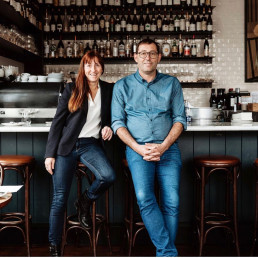
Pierre’s passion for what he creates is evident and he has taken the baton from his parents and carved his own path with it. “My parents made wine that was fine and elegant, but it was just fine and elegant, without depth,” he recalls as he speaks to Camuto, “With their enologist, they were always trying to make something with less taste. And I said, ‘That’s too bad.’”
This take on organics and biodynamics was not necessarily usual for the time. Camuto reckons that Larmandier-Bernier “broke the mold” and 88 Bamboo proclaims “when it comes to Champagne, it is none other than the Larmandier-Bernier house that has ushered the practice into this hallowed region.”
“I thought I could be five years ahead of the others in giving up on chemical farming,” Pierre observed to William Kelley, “but I never imagined that I might be fifty years ahead!”
Even today, under 10% of vineyards in Champagne are organic, (Apx 8.1%) and even fewer are biodynamic. Believe it or not, this is a marked increase from around just 1% in 2009, which really highlights just how unique this philosophy is in the region.
Despite his head-first deep-end dive into running things, Pierre found himself amongst good company. There were a number of new-generation winemakers questioning Champagne’s status quo. “We were asking a lot of questions,” Pierre recalls to Camuto, “One of them was how to express terroir.”
And express he does.
Larmandier-Bernier - The Signature Style
“It’s not our objective to be consistent,” Sophie Larmandier declared at a masterclass in Sydney in early 2020, attended by Huon Hooke of the Real Review, “If you want year-to-year consistency, you will find the vineyard isn’t the same every year.”
“Healthy, ripe grapes for pure, mineral, authentic wines,” is the tagline at the top of Larmandier-Bernier’s website.
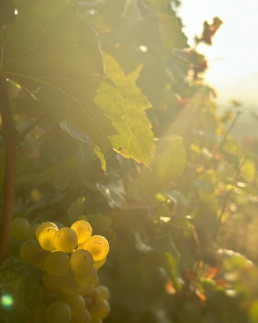
Beginning with grapes harvested at their peak maturity – picked late compared to many of the other growers. Pierre believes this allows them to concentrate on the flavours first and foremost, believing that before you can make good champagne you must first make good wine.
“Along with an expression of minerality, his priorities are roundness and linearity achieved by harvesting grapes at optimal ripeness of around eleven degrees of potential, compared with most in Champagne who aim for around nine”, explains Tyson Stelzer, ‘It is important for us to work the soil to achieve a lower pH in the wine, allowing us to wait longer to harvest, to achieve ripeness without lacking freshness.’
“His sensitive and non-interventionist approach informs all he does.”
Tyson Stelzer, The Champagne Guide 2018-2019
This also extends to a desire for complexity and depth in the wines without over-handling. Pierre understood that as things had changed in the vineyards, so too must they change in the winery.
He found the way in which they were doing things was making the wines too acidic and difficult to drink.
“Previously, the base wines were so acidic they hurt to drink,” he said. Now, after fermentation with indigenous yeasts, the wines are matured in casks and wooden vats to enable them to breathe.
Larmandier-Bernier also bottles quite late for the second fermentation and has a very low dosage regime, which naturally encourages malolactic fermentation with the warming spring temperatures. The highest dosage used here is 4 g/litre. “We use the dosage to preserve the length,” they explain to Jamie Goode’s Wine Anorak.
Shortly after their organic certification, Pierre created “perpetual reserves” for their Latitude and Longitude base wines. “Traditionally, Champagne producers have kept reserves of single-vintage base wines to use for blending in non-vintage bottlings,” explains Camuto, “Perpetual reserves— pioneered by Selosse and inspired by the Spanish solera system of fractional aging for Sherry—age vintage after vintage together in one cask to create a reserve wine with added aged notes and complexity. In every vintage, the Larmandiers add the newest wine to the perpetual reserve while using the reserve for up to 40 percent of the blends they make that year.”
This perpetual reserve lends complexity and maturity to their wines, meaning that even though consistency isn’t the target, quality and signature is more easily expressed in the assemblages and the real voices of the vintages can shine through their millésime bottlings.
Larmandier-Bernier - The Next Chapter
Despite enduring passion and energy, Pierre is no longer a spring chicken. The future of Larmandier-Bernier is being discussed, and it looks bright.
Since they took the reins, Pierre and Sophie have doubled the estate vineyards to 47 acres, with production reaching about 13,000 cases annually. An exceptional starting point for the next era to run from.
“Sophie, Pierre, Arthur and Georges just want to get it right and do it well…” states their website, officially introducing Arthur & Georges to the fold. Arthur and Georges are Pierre & Sophie’s sons and are very much a part of day-to-day operations at Larmandier-Bernier. Arthur had cut his teeth marketing for Chanel for a few years, and Georges was an aeronautical engineer before they returned to the fold.
““I told them ‘Do what you want in life,’ but I showed them the trade,” Pierre says to Camuto, “I said, ‘The life of a vigneron is short. You have maybe 30 vintages in your prime, and 30 years go fast.’”
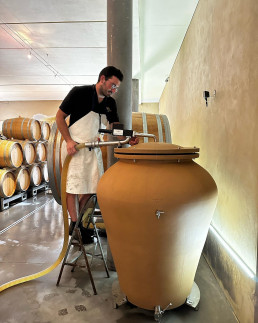
Under quite different circumstances to how he came to the helm, Pierre enjoys experimenting, teaching and learning alongside his boys. Currently they’re fermenting some base wines in stoneware amphorae (which we look forward to hearing about).
In 2024, the Larmandiers also announced that they’re launching a new expansion project of their barrel room and cellar. This will prolong the maturation both in barrel and in bottle, always digging into the chalk to enjoy ideal temperature and humidity conditions.
Côtes de Blancs and Vertus
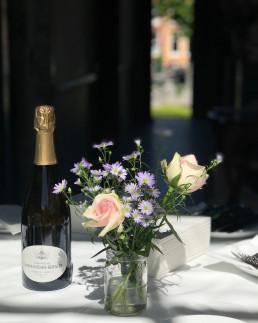
The Larmandier-Bernier estate is located on the terroirs of the Côte des Blancs, at the very heart of the Champagne vineyards where Chalk is king.
(We’ve got a great read on how soil types affect the vineyards and consequently the wines here, if you wish to go down the dirt rabbit hole.)
Geek talk: Limestone soils are naturally alkaline with high pH levels that can reflect sunlight to promote photosynthesis. These soils tend to be neutral shades of white, grey, or beige, and have ancient origins. After water receded from now-dry Jurassic seabeds over 200 million years ago, an array of fossilised shells, coral and other debris accumulated to form calcified sediments. Those remains give limestone its distinctive chemical makeup, called calcium carbonate.
Larmandier-Bernier’s holdings:
- Grands crus: Cramant, Avize, Oger
- Premier cru: Vertus
- Acres: 47 acres
- Chalk type: Outcropping Campanian chalk
- Grapes: More than 90% of Chardonnay
- Average Age: 35 year old vines
Acclaim
We can harp on about this benchmark Blanc de Blancs producer until the cows come home but consensus is key. Our voice is but one of many singing these praises, and here’s a small selection from the experts and critics…
“What Larmandier-Bernier achieves with Chardonnay, so Egly-Ouriet manages for Pinot Noir: wines of riveting purity and concentration.”
Andrew Jefford, The New France
“As I’ve written before, Larmandier-Bernier numbers among the Côte de Blanc’s—and Champagne’s—finest estates. Based in Vertus, the Larmandier family farms organically and harvest late, vinifying the resulting wines in wood. The result is vinous, elegantly muscular Champagnes that are concentrated but precise.
In a region that still produces far too many meager, brittle wines, Larmander-Bernier reminds us of the plenitude and texture of which great Champagne is capable.”
William Kelley, The Wine Advocate, speaking on the 2016 Larmandier-Bernier Brut Nature Blanc de Blancs Premier Cru Terre de Vertus
“Larmandier-Bernier exemplifies the levels of purity and mineral focus that can be drawn out of primarily premier cru terroirs with sufficient care and attention. These exceedingly fine wines rightfully rank high among the finest of Champagne’s grower-producers.”
Tyson Stelzer, The Champagne Guide 2018-2019
“Five years ago, in a restaurant in the hills outside Verona, I drank my first bottles of Larmandier-Bernier. I am not a wine reviewer who scores wines in blind tastings. Nor do I have special expertise in sparkling wines. But I love complex and elegant liquids, and those first sips of Larmandier-Bernier… were stunning. The wine lit up my palate like the stations of a pinball machine. It was creamy and mouth-filling with a deep yeastiness and a chalky, mineral texture, but at the same time, it flashed energetic freshness as it rolled along the tongue.”
Robert Camuto for Wine Spectator in his article, “Falling for Champagne (Again): Part 1 –How Larmandier-Bernier broke the mold.”
“The wines, which are almost all blanc de blancs (pure chardonnays) from the great villages of the Côte de Blancs, such as Avize, Cramant, Oger and Vertus, have a high profile and strong demand in this country. You’ll find them on the wine lists of all the best restaurants in the capital cities.”
Huon Hooke for The Real Review
“Only wine nuts know their Larmandier-Bernier (one of my favourite champagne growers…) from their Laurent-Perrier (one of the grandes marques). In some circles it would take a certain confidence to serve champagne from a little-known grower, however good, especially since from a distance it can be so difficult to tell a lovingly crafted grower’s champagne from a cheap, mass-market buyer’s own brand.”
Jancis Robinson in her article “Champagne – a wine or a brand?”
Our own Aliénor Visits
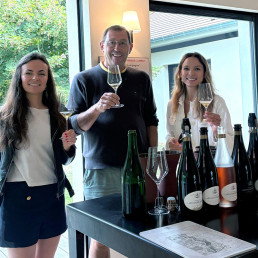
In 2025, our own Aliénor visited Larmandier-Bernier on her trip home to France,
”Pierre Larmandier’s wines are a dialogue with the vineyard: long lees contact, Stockinger casks, minimal intervention, and little or no dosage allow the freshness, salinity, and chalk of the Côte des Blancs to speak clearly, sip after sip. ‘I am so excited for the comeback of the Longitude. If you’ve tried the Latitude, it’s expansive across the palate, but the Longitude is all about minerality, linearity, and raciness!”
The Wines
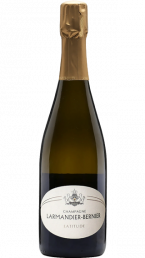
NV Larmandier-Bernier Latitude Extra Brut
- Available in 750ml, 1.5L, 3L
- 100% Chardonnay
- 40% Reserve wines
- 2g/l Dosage
- Fermentation (indigenous yeasts) and malolactic fermentation begin spontaneously in wood. Matured on the lees during their first year, with no filtering or fining being carried out.
- Blending and tirage are carried out in July. The bottles are taken down into the coolness of the cellars and stacked on lattes, the second fermentation takes place and maturation goes on for at least two more years. Each bottle is disgorged by hand 9 months before being released.
In the past, this cuvée was known as “Tradition”, a name chosen in the 1970’s by Pierre’s parents.
Antonio Galloni’s Vinous, 94 Points: “The NV (2022) Extra Brut Blanc de Blancs Latitude is stellar in this range. Broad and ample, the Latitude is so impressive. Lemon confit, marzipan, tangerine peel, mint and chalk are dialed up. More than anything else, I am so impressed with the wine’s sheer palate presence. There’s gorgeous density and character here.”
William Kelley for The Wine Advocate, 91 Points: “The latest rendition of NV Extra Brut Blanc de Blancs Latitude is excellent, offering up aromas of lemon oil, wet stones and white flowers. On the palate, it’s medium to full-bodied, bright and precise, with good concentration, racy acids, an ultra-fine mousse and a long, chalky finish. As usual, this is a classy introduction to the Larmandier- Bernier range.”
Huon Hooke, 95 Points: “Very bready, smoky bouquet. Very fresh and crisp in the mouth, dry, savoury, lush flavour, low-dosage style, with superb acidity. Small flowers, subtly complex, and the aldehydes are under control.”
Tyson Stelzer, 94 Points: “It encapsulates the gorgeous freshness of young Vertus chardonnay in its grapefruit, freshly picked apple and lemon blossom aromas, while boring deep into its chalk mineral structure, building great textural presence, amplified by the spicy, nutty complexity of barrel fermentation.”
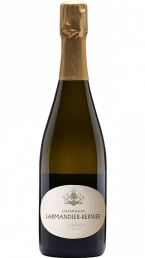
NV Larmandier-Bernier Longitude 1er Cru
- 100% Chardonnay
- 40% Reserve wines
- 2g/l Dosage
- Fermentation (indigenous yeasts) and malolactic fermentation begin spontaneously in wood. Matured on the lees during their first year, with no filtering or fining being carried out.
- Blending and tirage are carried out in July. The bottles are taken down into the coolness of the cellars and stacked on lattes, the second fermentation takes place and maturation goes on for at least two more years. Each bottle is disgorged by hand 9 months before being released.
“Longitude” originates exclusively from the Chardonnay grapes grown on the Côte des Blancs: Vertus, Oger, Avize, Cramant, which form a line close to the 4th meridian.
William Kelley’s The Wine Advocate, 93 Points: “The latest rendition of the Larmandiers’ NV Longitude Blanc de Blancs Premier Cru Extra Brut is predictably superb, offering up scents of waxy lemon rind, crisp yellow apple, dried white flowers and fresh hazelnut, followed by a medium to full-bodied, vinous but precise palate that’s pure, delicately textural and captivatingly weightless despite its undeniable intensity and concentration, concluding with a complex, mouthwateringly saline finish. It’s hard to think of a better value in Champagne.”
Tyson Stelzer, 95 Points: “Purity of white peach and preserved lemon is impressive, with the complexity and depth of a lesser vintage base already building spicy notes of fig and toast. As always, it is the tremendous minerality of these terroirs that is most engaging, gliding long and seamless from start to finish. A complex and creamy blanc de blancs of great depth, upholding lively acid tension on a very long finish.”
Decanter, 93 Points: “There’s an extra dash of mineral energy and zesty length in this cuvée Longitude, which brings together fruit from Larmandier-Bernier’s home village of Vertus with other fruit from the Côte des Blancs, over the true entry level Latitude that tends to make it worth trading up. Subtly creamy and peppery, yet fulsome in white peach, pear and lemon oil, it gains a savoury, umami depth from 40% addition of perpetual reserve. Always a model non-vintage blanc de blancs.”
88 Bamboo: “True to form, the Larmandier-Bernier Longitude has a distinct linearity to it, the flavours clean and precise yet not ever withholding richness. This all whilst at the same time showcasing those beautiful and beguiling aromas typical of long lees ageing with those plucks of fresh dough that’s presented as this musty, flour-y plume that has an almost chewiness to its aromatics, before delving deeper into toasted bread crusts territory. The body is rich and rounded, yet elegant and lifted, just the right weight without weighing, the acidity then bright and accented but neither sharp nor pointed. It leans in the direction of oxidativeness, with these bruised orchard fruits offered at such generosity. It was even more delightful given that it embodied such energy and liveliness that carried it vibrantly through the finish with still much more left in the tank. Such length! It finally ends in a seamless, clean and crisp note that is entirely refreshing!
What I really love so much about this is that it can be as straightforwardly enjoyable as you want or as much an intellectual exercise if you sit on it! Taken at face value, it’s clean and energetic, a precision that is apparent as it is pleasurable even without much interrogation, filled in with all of those lovely notes of a bakery at work, apple pie filling, fresh Mediterranean lemons with then a drizzle of maltose candy. Yet if you dive deeper, it’s a masterclass (and this is just the most accessible Larmandier-Bernier cuvee mind you!) in clarity, balance, composition and choreographed cadence. It’s ridiculously accessible and easy to fall in love with, a joy on all levels and a definite and clear step into the world of Grower Champagnes.”
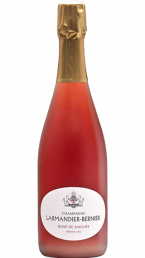
NV Larmandier-Bernier Rosé de Saignée
- 90% Pinot Noir
- 10% Pinot Gris
- 2g/l Dosage
- This technique is rarely used in Champagne: the Pinot grapes are selected on a sorting table, partially destemmed and then macerated for 2 to 3 days before fermentation (indigenous yeasts) in tank or concrete eggs. Malolactic fermentation and then the maturation on the lees for nearly a year. The tirage is carried out at the end of July.
- The wine is aged for at least another 2 years in the cellars, and the bottles are disgorged 6 months before being released.
William Kelley for The Wine advocate, 96 Points: “The latest edition of Larmandier-Bernier’s NV Extra Brut Rosé de Saignée is simply stunning, wafting from the glass with scents of minty red apples, rose petals and blood orange. On the palate, it’s medium to full-bodied, pure and elegant, with a concentrated core of vibrant fruit, a pinpoint mousse and a long, beautifully fragrant finish. This wine’s alliance of delicacy and intensity makes it one of the most exciting rosé bottlings being produced in all of Champagne.”
Antonio Galloni’s Vinous, 93 Points: “The NV Rosé de Saignée is laced with cranberry, orange peel, cinnamon and dried flowers. It’s a gorgeous, seductive Rosé, a Champagne that deftly marries the textural richness that was once such a focus in this bottling with the greater sense of vibrancy that informs today’s wines. Clean mineral accents shape the deceptively understated finish. The blend is 90% Pinot Noir and 10% Pinot Gris, an unusual combination that works quite well here.”
Tyson Stelzer, 95 Points: “This wine is a paradox of the highest order, a salute to the genius of its maker and the depth of its old-vine sources. How a 100% Cote des Blancs rosé from an elegant east-facing Vertus site can land midway between a graceful champagne rose and an expressive red cherry pinot noir is truly astounding. Pierre Larmandicr set out to make ‘a rose, not a white champagne with colour’, marrying the power of pinot noir with the elegance of the village and goodness, has he done it! It’s magnificently youthful, alive with jubilant rose petal, pink pepper, strawberries, raspberries and greengage plums, vibrant. primary and characterfully expressive. layered with mixed spice and white pepper. It’s framed in refreshingly elegant yet perfectly ripe acidity and wonderful chalk minerality of deeply penetrating structure that integrates seamlessly with super-fine tannins. Delightful harmony and persistence top off a brilliant rosé.”
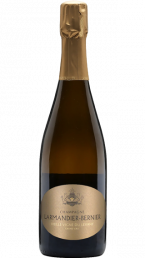
2014 Larmandier-Bernier Vieille Vigne du Levant Grand Cru
- 100% Chardonnay
- 2g/l Dosage
- 100% Cramant
- Fermentation (indigenous yeasts) and malolactic fermentation begin spontaneously in wood. Matured on the lees during their first year, with no filtering or fining being carried out.
- The tirage takes place in July. There’s no blending with other years, and no blending with other terroirs – this is a single-parcel Champagne. The bottles are taken down into the coolness of the cellars and stacked on lattes, the second fermentation takes place and the maturation continues slowly for 9 more years.
The old vines of the Levant face south-east and benefit from an exceptional terroir. They are between 60 and more than 85 years old. Their roots go down deep, and the diversity of the old vine stocks contributes to the complexity of the wine.
William Kelley for The Wine Advocate, 95 Points: “Disgorged in March 2023, the newly released 2014 Extra-Brut Blanc de Blancs Grand Cru Vieille Vigne du Levant unwinds in the glass with aromas of crisp stone fruit, freshly baked bread, white flowers, buttery pastry and clear honey. Full-bodied, pillowy and chiseled, with a sweet core of fruit, tangy acids and a penetrating, electric finish, it’s a terrific success.”
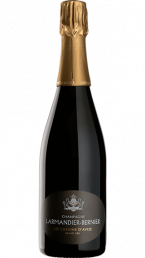
2016 Larmandier-Bernier Les Chemins d’Avize Grand Cru
- 100% Chardonnay
- 2g/l Dosage
- 100% Avize
- Fermentation (indigenous yeasts) and malolactic fermentation begin spontaneously in wood. Matured on the lees during their first year, with no filtering or fining being carried out.
- The tirage takes place in July. There’s no blending with other years, and no blending with other terroirs – this is a single-parcel Champagne. The bottles are taken down into the coolness of the cellars and stacked on lattes, the second fermentation takes place and the maturation continues slowly for 6 more years.
Originating from our two vieilles vignes vineyards in the heart of Avize and the latest of special Champagnes, this distinguished cuvée should be tasted on “alone together” occasions…
Kristaps Karklins for The Wine Advocate, 96 Points: “The 2016 Blanc de Blancs Les Chemins d’Avize, disgorged in April 2024 with a dosage of two grams per liter, is a particular success. Hailing from Le Chemin de Flavigny and Le Chemin de Plivot, located in a flat part of Avize at the bottom of the slope, these are some of the last plots to be harvested, as the fruit ripens more slowly here. Vinified in 20-hectoliter Stockinger vat and barrels of various sizes, it was matured on its lees for 10 months. Informed by the concentration of 50-year-old vines, lower-than-average yields due to mildew pressure and a late-ripening season, it opens from the glass with aromas of marzipan, baked bread, lemon zest and beeswax. Elegantly muscular and vividly chalky, it’s layered and harmonious, underpinned by bright acidity, leading to a precise, long-lasting finish. A more tense, higher-acid version than 2015, it has more in common with the personality of the 2013 vintage.”
Essi Avellan MW, 94 points: “Chemin de Plivot and Chemin de Flavigny plots in Avize grow the grapes for this fine blanc de blancs with a quietly spoken elegance. Soft, richly fruity nose with cool restraint. The carefully mastered oakiness is in perfect sync with the fruit. On the palate, the silky texture and mineral bite bring notions of energy and finesse. Drinking beautifully today.”
Antonio Galloni’s Vinous, 94 Points: “The 2016 Extra Brut Les Chemins d’Avize Blanc de Blancs Grand Cru is a very pretty, exotic Champagne. White flowers, mint, chalk, white pepper and crushed rocks are finely sculpted. Low dosage of 2 grams per liter adds notable tension and verve throughout This savory, super-excessive Champagne will be a fine companion at the dinner table.”
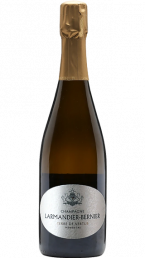
2017 Larmandier-Bernier 1er Cru Terre de Vertus
- 100% Chardonnay
- 0g/l Dosage
- 100% Vertus
- Fermentation (indigenous yeasts) and malolactic fermentation begin spontaneously in wood. Matured on the lees during their first year, with no filtering or fining being carried out.
- The tirage takes place in July. There’s no blending with other years, and no blending with other terroirs – this is a single-parcel Champagne. The bottles are taken down into the coolness of the cellars and stacked on lattes, the second fermentation takes place and the maturation continues slowly for 6 more years.
A pure and frank expression of Vertus on a well-oriented, mid-slope plot. Very original thanks to its salinity and complexity.
Gault & Millau, 96 Points: “Very pretty nose, harmoniously combining ripe notes of dried apricot, mirabelle plum and roasted hazelnuts with juicy yellow peach, nectarine and round dried fruit (mango, pineapple). On aeration, almost toasty notes appear, but without excess. The palate is delicious, with ripeness transcended by incredible freshness and minerality. The palate is all sweetness, light and caressing at the same time, with endless length, without tiring the palate. A great champagne to be enjoyed as an aperitif, at the table or as an after-dinner drink.”
Kristaps Karklins for The Wine Advocate, 93 Points: “The 2017 Brut Nature Blanc de Blancs Terre de Vertus, which derives from two east-facing plots within the same lieu-dit in Les Barillers, located mid-slope, imparts a very mineral, almost crystalline character. A vineyard that rarely produces powerful wines, even in the context of 2017, it has retained its personality, though it’s a little more generous and slightly less focused than the 2016 rendition. Unfurling from the glass with aromas of lemon peel, honeysuckle and oyster shell, it is medium-bodied, racy and saline-tinged and can be approached before the last year’s release. It was disgorged in May 2023.”
Antonio Galloni’s Vinous, 93 Points: “The Brut Nature Blanc de Blancs Terre de Vertus 1er Cru 2017 is creamy, open, and very seductive. Readers will discover a generous and sensual champagne that seduces from the very first sip. Vinification and aging in oak barrels soften its contours. Aromas of dried pear, crushed flowers, mint, and chamomile develop beautifully over time. This is a fine result in a very difficult year. No dosage. Disgorged in May 2023.”
Mike Bennie’s The Wine Front, 95 Points: “This has some concentration and depth, for sure. Slick texture with a core of lime and oyster shell, some fino sherry characters, baked apple, cinnamon spice uplifting, some sour dough notes and preserved lemon. While rich, the acidity is briny and bright, cooling and slips through any generosity to add polish and shine. Almost chewy texture.”