“Tequila, scorpion honey, harsh dew of the doglands, essence of Aztec, crema de cacti; tequila, oily and thermal like the sun in solution; tequila, liquid geometry of passion; Tequila, the buzzard god who copulates in midair with the ascending souls of dying virgins; tequila, firebug in the house of good taste!”
Tom Robbins, Still Life with Woodpecker
At Dhall & Nash we’ve been slowly building our craft spirits offerings over the past few years. It’s a slow and extremely deliberate process with several considerations weaving together to make the final decision as to whether this producer is one we align with…
This month, we’re excited to extend our portfolio once more, having found these to be high-quality, well-made and absolutely delicious tequilas. Today, we introduce FINO Tequila to the fold.
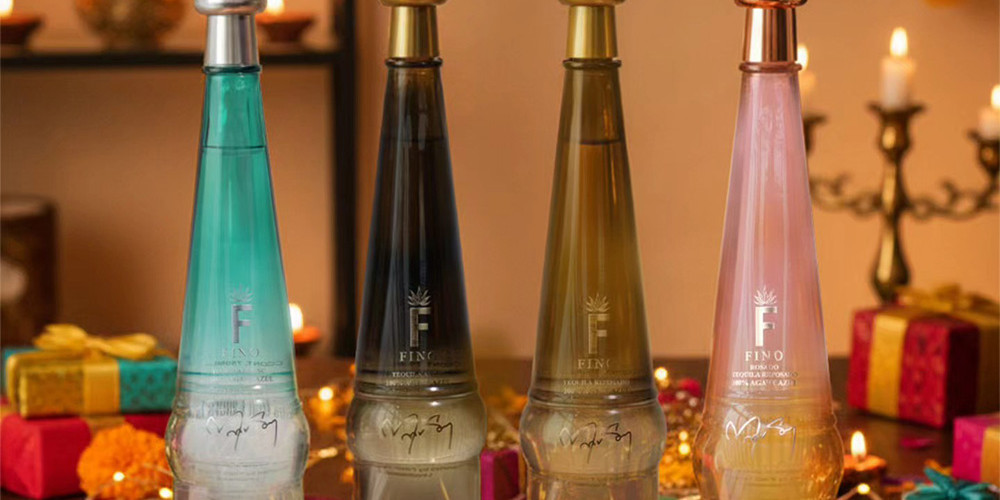
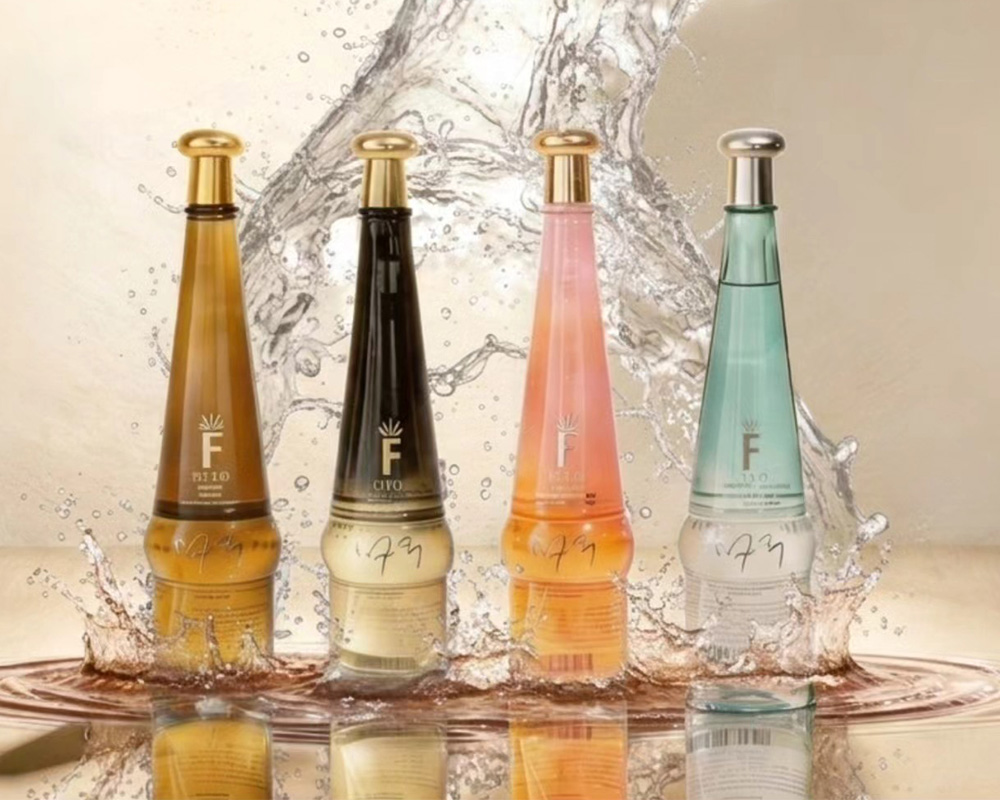
FINO Tequila
“People think tequila is only for shots, but FINO is a sipping drink. It’s non-additive, aged in wine barrels… you have to taste it, not throw it back,”
Yuvraj Singh talking to Zenia Baria
Failure Is Not an Option
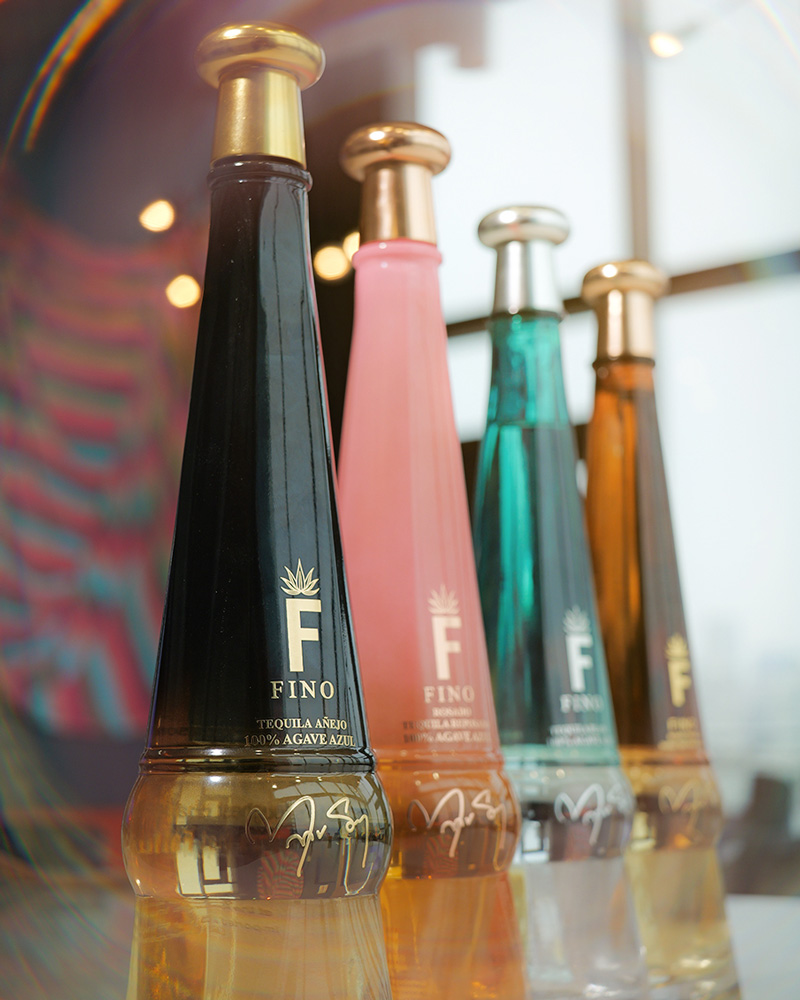
Fino Tequila is a story of passion, purpose, and partnership – founded by leaders in business, technology, and sports, including cricket legend Yuvraj Singh, FINO embodies a relentless pursuit of excellence.
It’s crafted in the highlands of Jalisco, Mexico from 100% Blue Weber Agave which is traditionally slow-roasted, double-distilled in copper stills, and additive-free. It’s tequila for those who demand authenticity, elegance, and a story worth sharing.
FINO offers drinkers an award-winning taste profile. Every variant, from the crisp Blanco to the aged Añejo, is crafted to perfection, offering distinct flavor notes that appeal to connoisseurs and new explorers alike.
These are tequilas for those that want to graduate from the easy ‘shot drink’ stereotype and explore the nuance, prestige and complexity that blue agave tequila is capable of.
‘Authentic tequila has a richness, complexity and depth of flavor unmatched by other spirits. In fact, in many ways, producing tequila is more akin to making wine than liquor.’
Juan Coronado, for Tales of the Cocktail
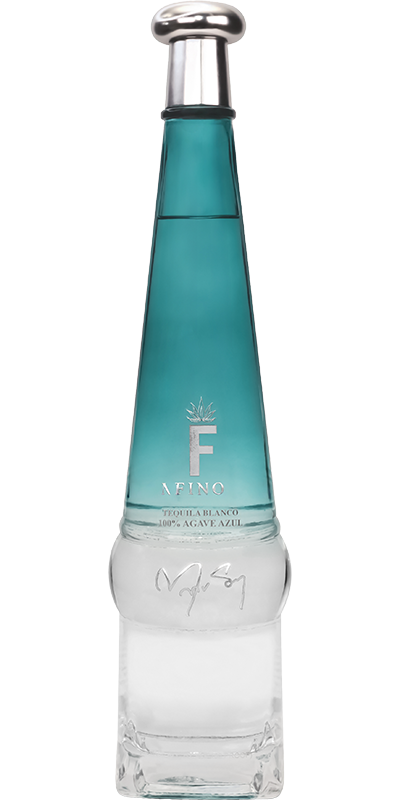
FINO Tequila Blanco
- 100% Blue Weber Agave. Unaged – bottled after distillation with no additives.
- 40% ABV
- Serve chilled or over a large cube, or try it in a Pataka Margarita
Crystal Clear, light body. A pure expression of agave – fresh, bright, and alive. Fresh herbs, vanilla, cinnamon, agave.
“The Blanco is packed with fresh agave, is buttery smooth, and has a light touch of white pepper and possibly some mint. It’s light, sweet, smooth, and refreshing.”
Great Lakes Tequila Club
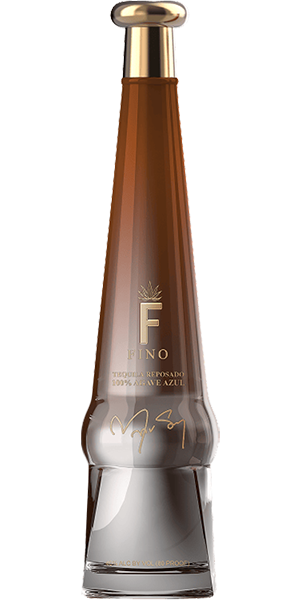
FINO Tequila Reposado
- 100% Blue Weber Agave. Aged 8-12 months in oak and bottled with no additives.
- 40% ABV
- Serve chilled, or try it in a FINO Daiquiri
Golden honey hue. Medium body. Smooth, warm, layered. Vanilla, butterscotch, roasted Agave, subtle spice.
“The Reposado is aged… and pulls in just a touch of oak while retaining the fresh agave. There’s also some almond and cream soda sweetness to balance the oak and agave.”
Great Lakes Tequila Club
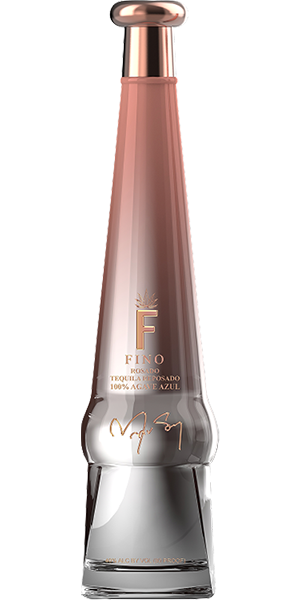
FINO Tequila Rosado
- 100% Blue Weber Agave. Aged in an ex-Cabernet barrel for up to 12 months and bottled with no additives.
- 40% ABV
- Serve chilled, or try it in a Spiced Strawberry Martini
A golden blush colour imparted by its time in wine barrels. Florals and berry notes abound.
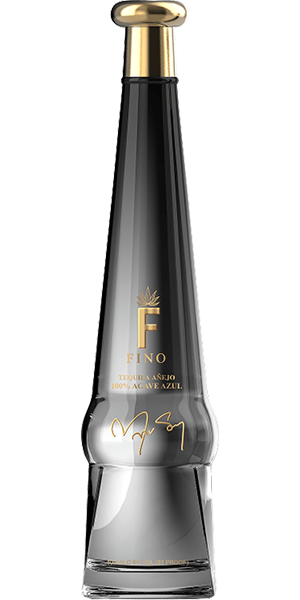
FINO Tequila Añejo
- 100% Blue Weber Agave. Aged 30 – 36 months in oak and bottled with no additives.
- 40% ABV
- Serve chilled, or try it in a FINO Gold
Rich amber. Full body. A rich fusion of melon, vanilla, and subtle tobacco notes.
“The Anejo is still agave forward, but the aging brings more of the oak to the front, along with a touch of tobacco, vanilla, and almond. It’s a relatively light natural color, and again—very smooth with great viscosity.”
Great Lakes Tequila Club
“Agave is strange, tasting of sun and earth and fruit and the calculus of their combination of spice and sweet. Every sip is always new, always fresh, always surprising. With a palate all its own, tequila tastes like nothing else in the world. Every time I imbibe, I am once again surprised, enlivened by what it offers.”
Daniel Coffeen
So Tequila, what is it?
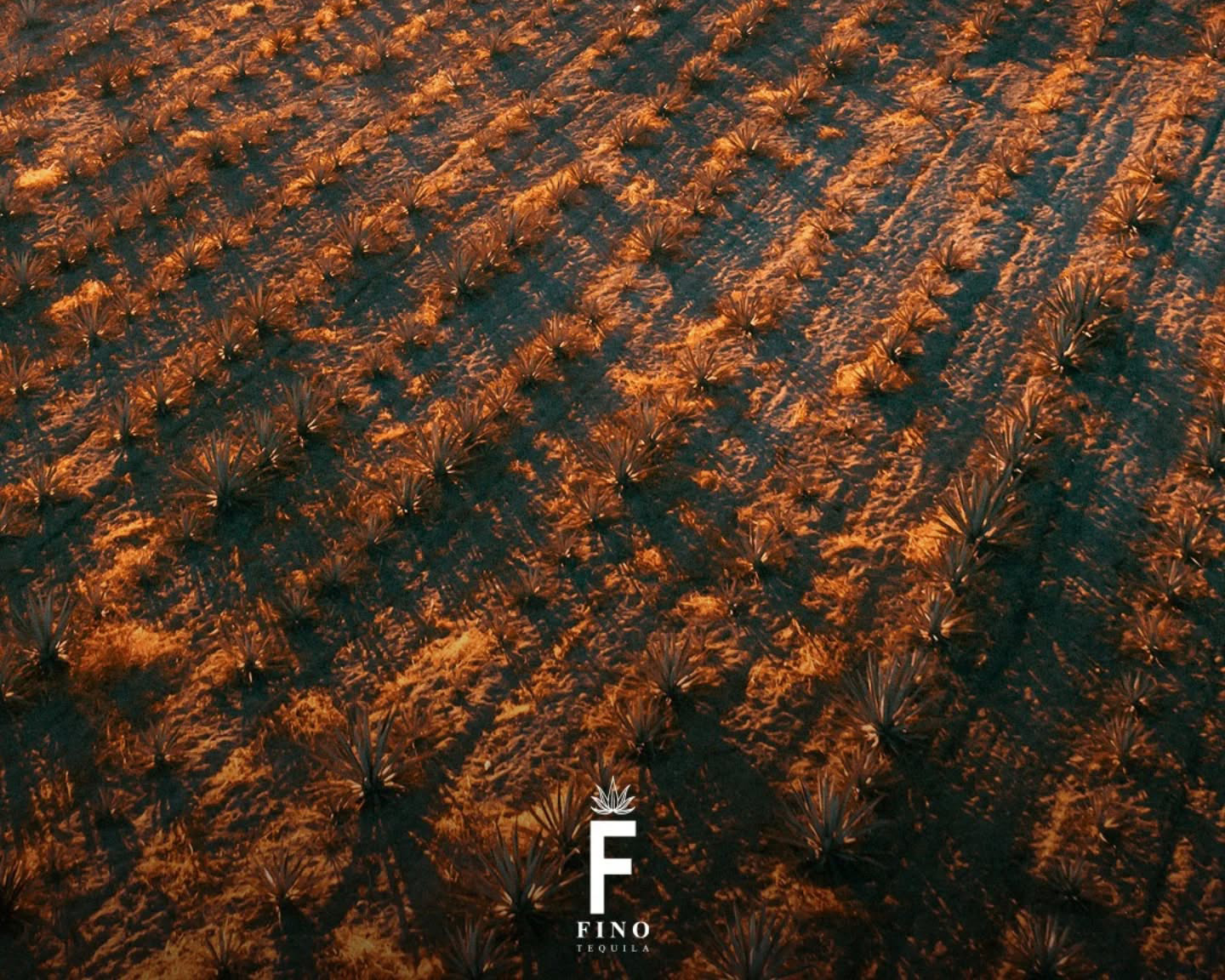
Tequila is a mexican Agave spirit, made from the ‘pineapples’ or ‘piña’ of the Agave plant. But not just any Agave plant… There are over 160 types of Agave with the majority found in Mexico but only Agave Tequilana Weber Azul (or colloquially ‘Blue Agave’), can be used to make tequila.
‘There are many misconceptions about tequila in the marketplace, and like the industry has seen with bourbon and Scotch whisky in recent years, we’re on the cusp of a great awakening among consumers about what tequila can – and should – be.’
Juan Coronado, for Tales of the Cocktail
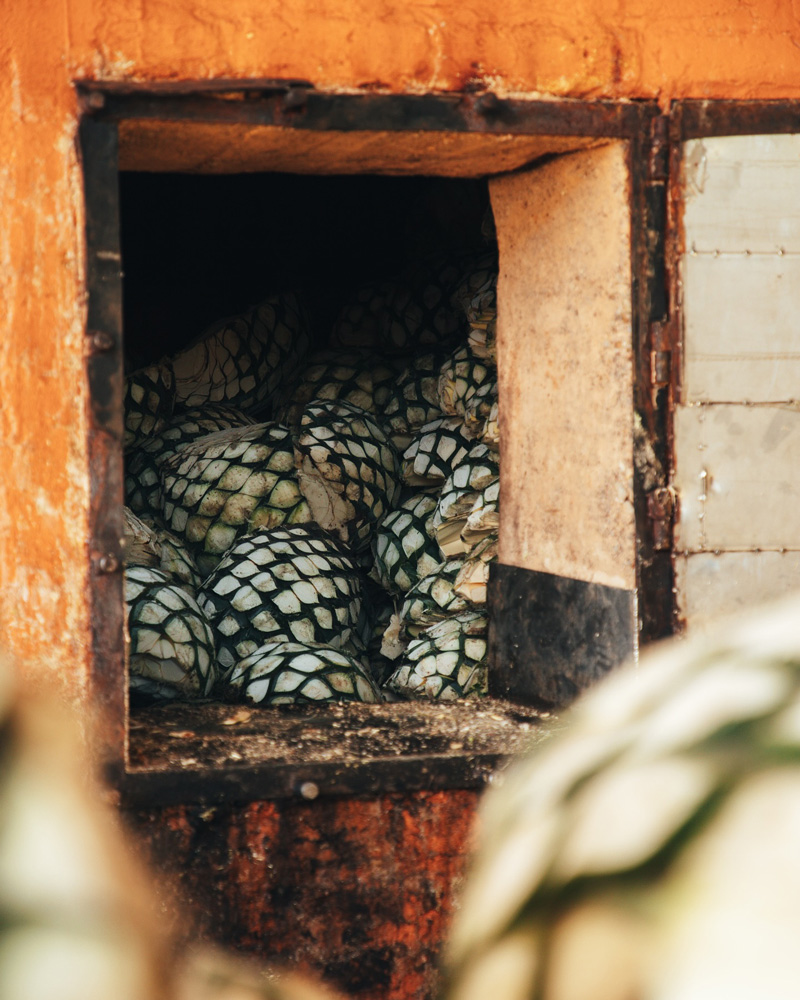
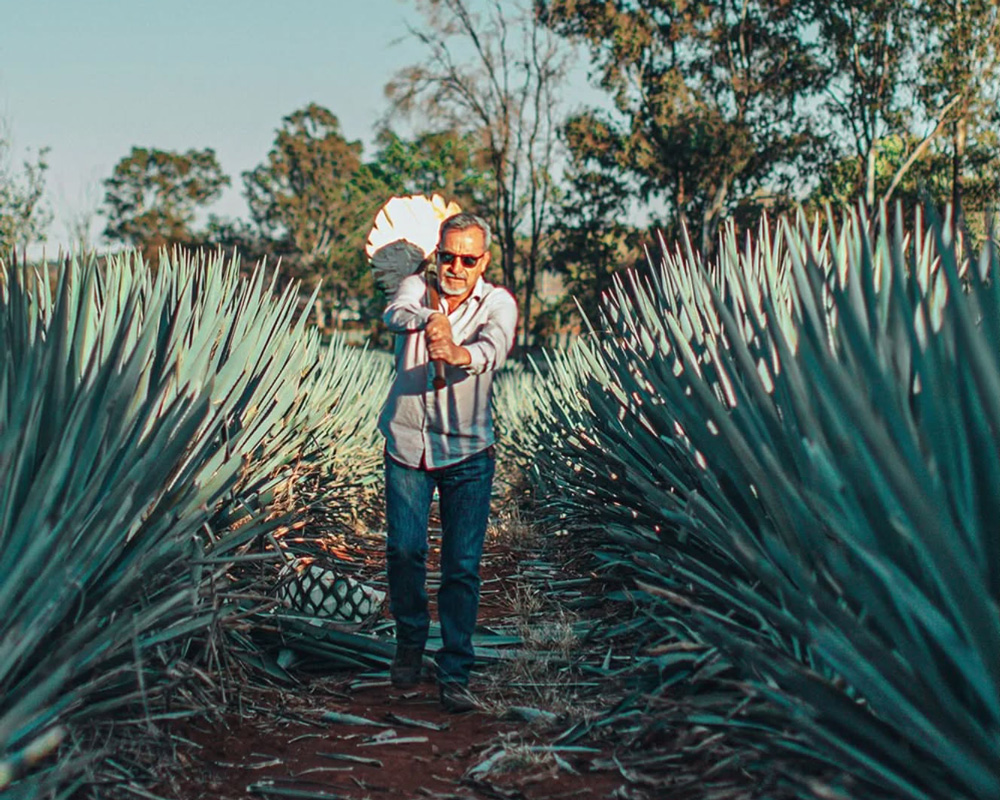
Once the Agave plant reaches maturity – usually around 5-12 years old, it’s harvested, cut and roasted in traditional steam-heated ovens called ‘Hornos.’ Plants in the highlands of Jalisco where FINO sources their Agave tend to take longer to mature. The harvest is facilitated by skilled ‘jimadors’ who take the agave and cut away the long, spiked leaves that protrude from the centre piña. They are the large and bulbous hearts that are usually just over 30kg but can weigh up to 100kg and are jam packed with starches that break down into rich sugars when cooked.
“I find there to be a certain beauty and romance in tequila. Everything from the blue agave, to the way the jimador harvest the plant and the way the spirit is distilled I find incredibly beautiful. All of these small yet intricate details of how tequila is distilled build up a romantic quality that transfers over into the very moment you pour the spirit into the glass.”
Aymane Rakib, Medium
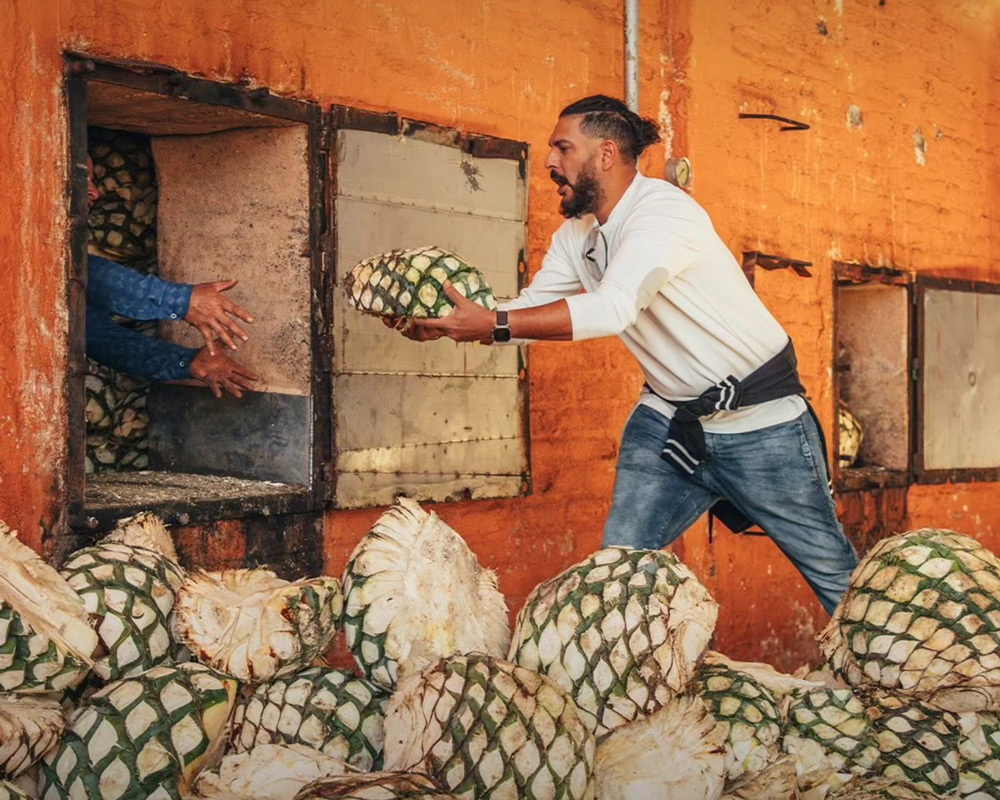
The cooked agave is then shredded and squeezed so the resulting juice (known as aguamiel) can be separated from the fibres ready for fermentation.
The aguamiel has yeasts added to start the fermentation process, and if it’s destined to be a ‘mixto tequila’ rather than a ‘tequila’ – corn sugars are added up to 49%. Tequila – like FINO – has to be 100% blue agave with no corn sugars added.
The aguamiel ferments over a few days and becomes ‘mosto’ with 4-6% ABV which is then taken to be distilled, which must be done at least twice. The first time will result in a liquid around 20% ABV, and can then be refined through further distillation. After the second distillation it comes out closer to 55% ABV. (It can be higher but distillers usually prefer to avoid it going too high in order to preserve the purity of flavour.)
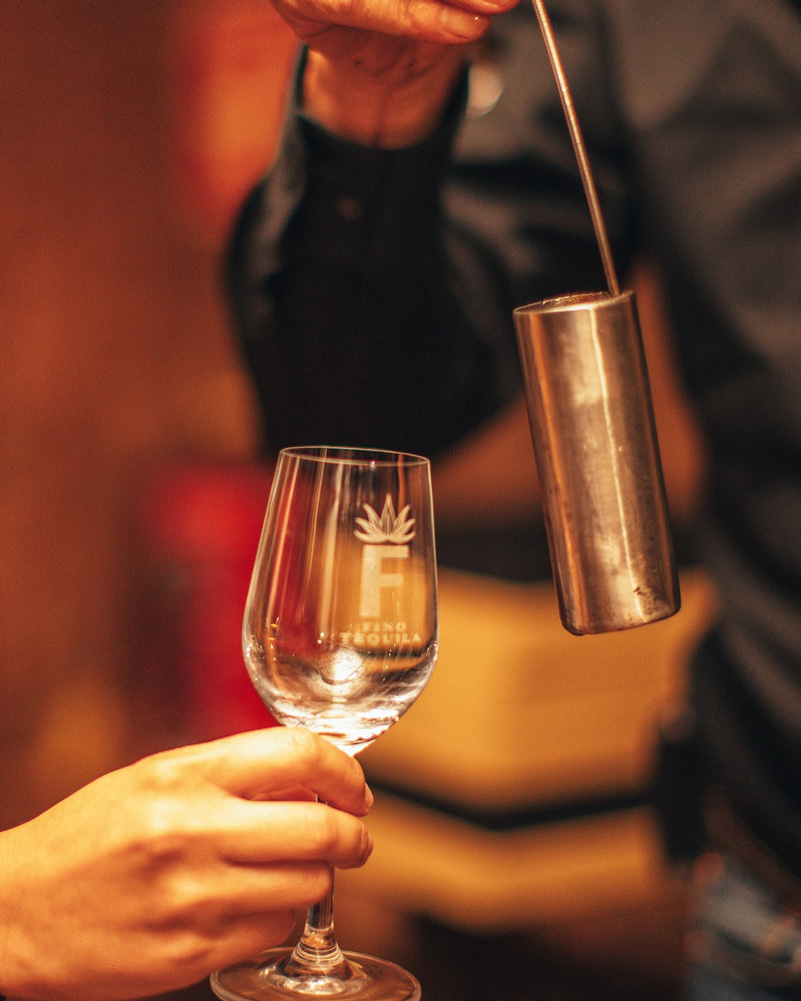
Within each distillation are different stages (this is very like the distillation stages of whisky also covered on our 101 blog). Since different compounds evaporate at different temperatures, the first part of a distillation run and the last part are usually separated as the less desirable compounds tend to distill off first. These are added back into the mosto to distill through again while the ‘middle cut’ being the sweet spot.
It’s at this stage that Tequila Blanco is bottled. Unaged, straight from the still, Blanco retains a fresh, clean profile with a lot of agave spirit. Some producers choose to age their Blanco in oak briefly, but FINO has a varied range of four tequilas, three of which see maturation time so their Blanco is unaged to cater to every palate across the range.
If not a Blanco, the spirit is taken to be aged. Reposado and Añejo must see time in oak to impart mellow characters but it’s at this stage a lot of variation happens for producers to achieve certain signature tastes and styles by using different kinds of barrels and vessels.
Additives like colouring, oak extract, sugar syrup etc. are allowed to be added before bottling (up to 75 g/L of sugar of 85 g/L of others,) but FINO is proud to offer all their tequilas pure with no additives.
Tequila and Mezcal - Not The Same
“Tequila is to wake the living, and mezcal is to wake the dead.”
To the uninitiated, Mezcal and Tequila can seem similar – they’re both agave spirits – but expressing this to a passionate spirits person is akin to telling us a kiwi accent sounds the same as an Aussie one. You will get schooled very quickly.
‘Mezcal’ is the term for agave spirits and allows a broader range of production differences than ‘Tequila’ which has stricter regional and inclusionary rules. This is in contrast to some other categories, in that broader doesn’t necessarily mean worse. Often rules and restrictions are put in place to protect the quality and reputation of a product, but mezcal is an ancestral product and the differences in production are its secret weapon, not its weakness.
Tequila is technically a mezcal since it’s a mexican agave spirit, but is a very controlled one. (Like how all Cognacs are brandy, but all brandies aren’t Cognac.)
| Tequila | Mezcal | |
| Raw Materials | Only made from blue agave. | Can be made from over 30 types of agave. |
| Region | Majoritively (98%) from the Jalisco region. | Can be legally produced in nine different states across Mexico. |
| Production | Generally uses modern methods like steam cooking or ovens. | Often uses traditional methods including underground pit roasting & crushing. |
| Flavour & Drinking | Clean sweetness and alcohol. | Layered, with complex smokiness. |
Agave Spirits in Mexican Culture
Native fermented drinks from agave plants, such as ‘pulque’, existed before the arrival of the Spanish, but the origin of mezcal is officially thought to have started around the late 1500’s when Filipino migrants brought stills to “New Spain” to make ‘vino de coco’, but they were quickly taken up by the indigenous population who adapted them for use in making agave spirits and it quickly ingrained itself into their cultural mesh.
Tequila holds a strong sense of national significance to Mexicans, it’s culturally an extremely important part of both their community and economy. Many of the jimadors that work the land pass knowledge from generation to generation.
They don’t just make Agave spirits though, they enjoy them too. “Mexicans aren’t as familiar with the diversity of agaves and production methodologies because they tend to consume locally,” says Adolfo Lopez, speaking to the Crafty Cask, “Growing up in Oaxaca, for example, I never tried spirits made from agave cupreata, cenizo or lechuguilla because they don’t grow there. And similarly, I doubt someone from Chihuahua is consuming much mezcal from Puebla. It’s just not customary to drink mezcales from other regions and states because of the lack of familiarity and availability with those products.”
“Tequila is to wake the living, and mezcal is to wake the dead” is often said around Día de los Muertos, the Mexican celebration that honours those who have died.
Addressing the Worm in the Room…
First off – no, you will not find a worm in your FINO tequila, nor will you find one in any bottle of tequila, really, unless you put it there yourself. It’s actually forbidden by the Normas Oficiales Mexicanas (the Mexican Standards authority).
The ‘tequila worm’ is an enduring urban myth, but the infamous ‘worm’ was originally put into mezcal, not tequila. And the ‘worm’ is actually a larvae called a ‘gusano’ which feeds on the leaves of the agave plants. If not eaten before it gets the chance it would turn into a moth or mariposa.
The beginning of it is somewhat murky, but it’s widely credited to Jacobo Lozano Paez in the 40’s/50’s as a marketing gimmick, we’re sorry to tell you. Paez was an art student turned mezcal entrepreneur so knew a thing or two about setting products apart, which was what he was wanting to do when bringing mezcal to a market already saturated with tequila offerings post WWII. The worm actually did impart a different kind of flavour, but one that was a bit of an acquired taste.
Likely inspired by the fact sometimes these ‘worms’ would actually make it into the agave piña that were used to make tequila and mezcal, the fact is that any present at harvest would be long gone by the time it was processed. The worms were added to the bottles of mezcal as a point of difference and a supposed mark of quality. Some touted that a strong, pure mezcal would keep the worm intact and others leaned into folklore, believing that eating the worm was good luck and would bring virility and fortune. Others straight up believed the worm was a powerful hallucinogen and many a bar would witness college students egging each other on to eat the worm as a dare.
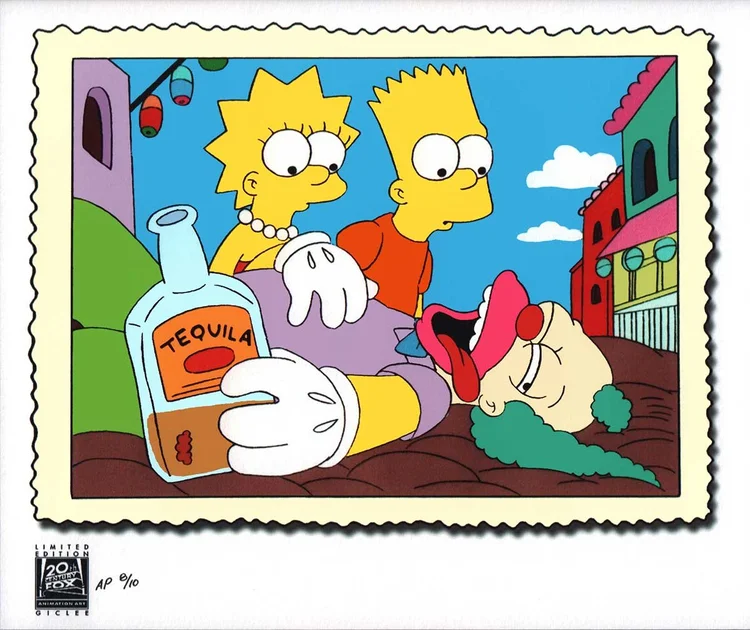
The ‘tequila worm’ skyrocketed into pop culture over the decades, even making its way onto the big screen! Steven Freeling becomes possessed by a spirit in ‘Poltergeist II: The Other Side’ (1986) after eating a tequila worm, and Sandra Bullock brandished a bottle of Reposado tequila saying, “I’ve got a worm with your name on it, Jimmy,” in the movie ‘Practical Magic’ (1998). Milton from the iconic film ‘Office Space’ (1999) was wearing an iconic ‘I ate the worm’ tee-shirt on vacation. It even appeared on ‘The Simpsons’ (S4, E1 ‘Kamp Krusty’, 1992) when Krusty the Clown falls over drunk clutching a bottle labeled ‘tequila’ with a little worm floating in it.
Realistically, you’d be hard-pressed to find a mezcal with a worm in it nowadays, and you would never find one in tequila.