A Savvy’ By Any Other Name
A Look Into The Facets Of Sauvignon Blanc through the lens of our new Pouilly-Fumé
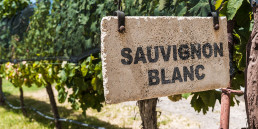
We kiwis are certainly no stranger to Sauvignon Blanc (or ‘Savvy B’’ as you may call it on a summer avo on the deck,) but as familiar as we are with this crisp white variety, it has a number of sister-regions across the globe who hold it equally close to their hearts.
While New Zealand may be a bit of a spiritual home to the grape, France is where its roots lay. This month, a new wine is hitting our portfolio – Domaine du Bouchot from the Loire Valley, producing Pouilly-Fumé.
In celebration of this hitting our shores, we wanted to take a look not just at this exciting, new parcel-driven artisan but at the beloved variety that defines so many regions.
Let’s Start Close to Home: The Savvy’ You Know & Love
Marlborough is synonymous with kiwi sauvignon blanc, there’s no getting past it.
“New Zealand sauvignon blanc has to be one of the most successfully marketed wines of the past century. This grape is, of course, planted around the world, and originally French, but it has become so wrapped up in the identity of New Zealand wine, and so at the forefront of our minds, that several people I know who have heard of New Zealand’s take didn’t know that sauvignon blanc also constitutes many appellation wines from the Loire and Bordeaux.”
Hannah Crosbie for The Guardian
Marlborough is New Zealand’s largest wine region, churning out a staggering 75% of the country’s overall wine production in 2020, 70% of NZ’s vineyard area and 85% of its wine exports.
Despite this powerhouse profile though, it’s just a baby. While records technically date viticulture in the region to 1873, the vines were ripped out in the 30’s and nothing more was really heard until the 70’s when – ironically – Marlborough County Council Livestock Instructor, S.G.C. Newdick wrote “… there does not appear to be any likelihood of vineyards starting up in Marlborough in the foreseeable future,” (lol).
A year later, Frank Yukich of Montana Wines purchased land, planted grapes and proclaimed “Wines from here will become world famous,” – a statement which has stood up to the test of time much more accurately.
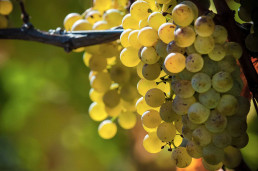
In 1985, just 12 years after the first plantings were made, Marlborough was launched onto the world stage. A Cloudy Bay Sauvignon Blanc made by David Hohnen & Kevin Judd was – to everyone’s shock – voted the best Sauvignon Blanc in the world by Wine magazine.
In his 2018 book Red & White, Oz Clarke credits this first vintage with nothing less than a varietal revolution:
“New Zealand’s Cloudy Bay Sauvignon Blanc 1985 – The first vintage of what became the world’s most famous white wine, and forever changed our view of what white wine could and should taste like.”
Marlborough Sauvignon Typicity
Plantings have increased exponentially since this turning point, and now Sauvignon Blanc is our pin in the world wine map. Jamie Goode explains in Meninger’s International that “The success of Sauvignon is due to its unique flavour profile. The typical Marlborough character is one of green notes well integrated with citrus brightness and exotic tropical high notes, all kept laser sharp by high acidity.
New Zealand wine scientists have discovered that the region makes wines with very high levels of two groups of impact compounds, methoxypyrazines and thiols. Methoxypyrazines are responsible for green flavours: green pepper, tomato leaf, grassiness while thiols are responsible for passionfruit, grapefruit and tropical fruit aromatics. So good Marlborough Sauvignon is about greenness allied to thiol aromatic interest. This is what sets it apart.”
(Our Marlborough Sauvignon Producers: Whyte Estate, Folium, Zephyr)
French Roots: Loire Valley
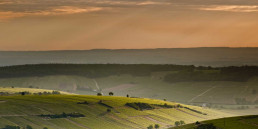
The Loire Valley in France is where Sauvignon Blanc originates from, and there are two significant Sauvignon expressions hailing from here that we’ll focus on – Sancerre and Pouilly-Fumé – both appellations in the northern Loire on opposite banks of the Loire River.
We’ve done a deep dive on the Loire Valley before, which you can read here.
Loire Sauvignon Blanc is a far cry from the bright green New Zealand Sauvignon flavours. Sauvignon Blanc performs very differently here – due largely to the unique silex (flinty) and limestone terroirs and the cautious cultivation of the winemakers producing some of the purest, most refreshingly mineral wines in the world.
Sancerre
“Sancerre, when well-made, is the purest expression of Sauvignon Blanc on Earth.”
Ian Cauble, Master Sommelier
Like so many old world regions, it’s impossible to pinpoint exactly when cultivation started in Sancerre, but it’s thought it was the Romans around 1AD. Romans were responsible for much of the early viticulture around Europe, as they had a great taste for wine and were a keen trade culture that travelled frequently.
In the Loire village of St-Satur (the port for Sancerre), there’s evidence of two Roman bridges, suggesting it was a major route in ancient times. This makes sense, seeing as the chalky hills around the town tick all the boxes for what they looked for when seeking good land for vineyards – close to town, good soil and a close water source.
The Sancerre appellation was officially named in 1936 as one of the original AOCs in the classification, specifically for its white wine. To qualify, white wines must be 100% Sauvignon Blanc from this area (totalling around 2,600 to 3,000 hectares,) and yields are restricted to ensure quality, typically around 60 hectoliters per hectare. (Red & rosé Sancerre is less at apx. 55 hectoliters per hectare.)
“The key to the distinctive character of any Sancerre emerges from its soils. There are three most common in the area: Caillotes (stony limestone), Terres Blanches (aka Kimmeridgian – white clay, limestone) and Silex (flint and clay). While most examples of Sancerre are a blend of two or all three of these soils, many top producers bottle these wines separately, and identify the soils on the label,” explains Tom Hyland for Forbes.
“What sets [Sancerre] apart is the razor-sharp tension between its zesty citrus core, electric acidity, and intense minerality, thanks to the cooler-climate, Kimmeridgian limestone-based soils that define the region, formed over millions of years beneath a shallow sea. Replicating this unique combination outside of France is extremely difficult…”
Ian Cauble, Master Sommelier
(Our Sancerre Producers: Alphonse Mellot)
Across The River: Pouilly-Fumé
“Pouilly-Fumé is not a region of corporate brands and soulless wineries. It is, however, an increasingly reliable source of excellent Sauvignon Blanc—whites of great fragrance, suppleness, and intensity.”
Cellar Tours
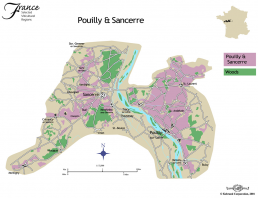
The belle of the ball for this blog and the home of our new producer, the Pouilly-Fumé AOC sits opposite Sancerre on the other side of the Loire River. While the regions are close in proximity and do share some similarities in their typicity and environment, the resulting renditions are a bit different.
The Pouilly-Fumé appellation centres around the town of Pouilly, but the ‘Fumé’ – meaning smoke – refers to the deeper, almost smoky gun-flint note that wines from this side of the river can embody in their aroma and also the greyish hue the Sauvignon Blanc grapes get when they’re at maturity. So the appellation name is a combination of place + characteristic.
“Because of the soil and the climate of that area, the wines would take on a sort of, well, they would have an aroma of gunflint or sometimes smoky aroma. It’s a compound called benzyl mercaptan,” Keith Beavers for VinePair’s ‘Wine 101’ Podcast explains, “But of course, they didn’t know that back in the day.”
It was granted its AOC classification in 1937 (a year after Sancerre), and its soils are largely Kimmeridgian marl, hard limestone and flint clay. It’s approx. 1,400 hectares and its harvest restrictions mean that it’s capped at 65 hL/ha (75 hL/ha in exceptional harvests) with a maximum residual sugar of 4 g/L.
A commonly confused AOC is Pouilly-sur-Loire. While Pouilly-Fumé is in the same geographic area, Pouilly-sur-Loire covers 30 – 40 hectares and permits only Chasselas grapes.
“Sancerre is racy and crisp and lean, and it’s different. And people really fell in love with it. And the Sauvignon Blancs from Pouilly-Fumé are almost like that, but a little more dense, a little more fuller body. But again, very, very cool…you can’t just do Sancerre and not do Pouilly-Fumé. They’re neighboring regions. They’re very similar. They both are very special in their own right, for what they have to offer us.”
Keith Beavers for VinePair’s ‘Wine 101’ Podcast
New Zealand Vs. France - Not just for Rugby
WIth such vastly different regional differences, it’s remarkable how the same grape can present differently.
“The variety’s complicated chemistry makes it an ideal cultivar for developing an understanding of the effects of terroir, as few grapes reflect the climate so distinctly.”
Occasio Winery
We’ve put together a handy, basic infographic below, but for those that want the more nerdy goss’ on these legendary cross-continental expressions, we got you.
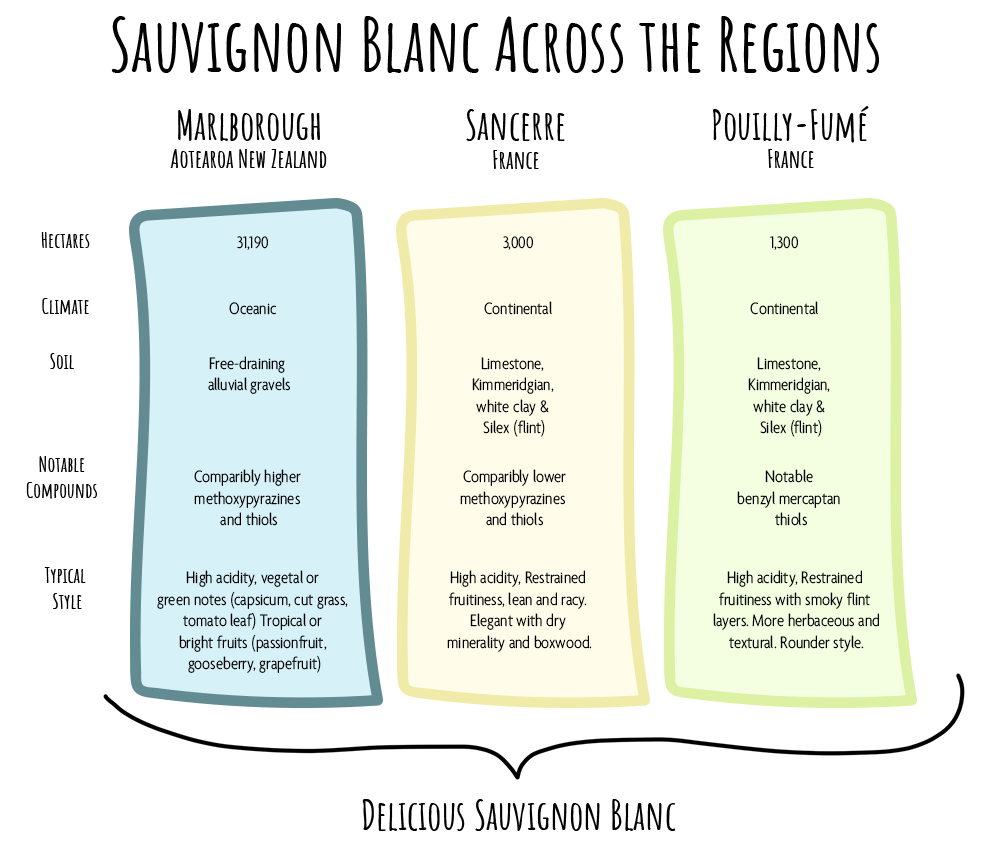
A combined study from researchers at Lincoln University, Université de Bourgogne and University of Otago published an analysis in 2009. They gathered notes from a number of wine professionals who were more familiar with French wines and had little experience with the New Zealand renditions. They blind tasted a number of wines from across the regions. In their abstract, they proclaim “The data were subjected to multivariate analyses. Principal components analysis of descriptive data showed that wines were separable by country of origin (NZ or France), and clear sub-regional differences in perceived odour profile were reported for French wines, and to a lesser degree for New Zealand wines. Overall, New Zealand wines were evaluated as showing higher levels of both fruity (e.g., passionfruit) and fresh green notes (e.g., green capsicum), while French wines were judged higher on dried herbaceous characters and mineral/flinty notes.”
The taste differences do go beyond just wine nerds like us and the universities, sipping and swirling and swearing up and down that these wines are “soooo different, honestly!” So let’s don our lab coats and look at the science.
The Compounds: Savvy’s Signature DNA
It’s been touched on individually as to what compounds are in the wines from each individual region but let’s take a closer look at Sauvignon Blanc – literally. We’re getting deep down into the molecular and chemical makeup of this beloved grape.
The compounds are the naturally occurring chemicals that exist within the grapes. The way they form and present is affected by the climate and the soils the vines are in. It’s nurture and nature for these babies. The romantic word ‘terroir’ which we tout so often is a more poetic way of describing this phenomenon – how the soils and place uniquely impact the wine and how it is perceived.
Each descriptor in a tasting note stems from a corresponding compound, and certain varieties contain higher levels of these which make up the wines signature styles. Case in point, Sauvignon Blanc!
For our beloved Savvy, there are two main compounds that give it its profile: methoxypyrazines and thiols. Each of these have subtypes within them, but ultimately different levels of these compounds dictate how the wine will present.
Methoxypyrazines “are responsible for the green, vegetative, and grassy aromas that are characteristic of the variety. Solar luminance, and not temperature, is responsible for removing these molecules during ripening. Therefore, the concentration of methoxypyrazines can be affected to some extent in the vineyard by careful canopy management.”
Without Further Ado, Introducing Domaine du Bouchot
Completing our ultimate Sauvignon Blanc Holy Trinity is Domaine du Bouchot.
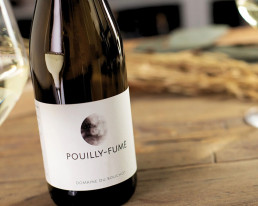
We’ve been focussing our attention recently on really leaning into our ethos of working with producers that reflect our core values, loving and toiling on their piece of earth through the generations to create wonders. This means a lot of our more recent portfolio additions are really parcel-driven and we’re often in direct contact with the winemakers. Domaine du Bouchot fits this bill to a tee.
If you visit the Domaine du Bouchot website, it basically lists their contact information and a note that tastings are by appointment only. Marketing is not on this producer’s priority list, it’s all about the wine so let us sing their praises appropriately.
Miniscule by some standards but enormous when you consider it’s a modest operation, Domaine du Bouchot cultivates 10 hectares in the Saint-Andelain part of the Pouilly-Fumé AOC. It’s been a family run operation since 1966, by the Kerbiquets but after decades in their hands, in 2018, Bouchot saw the beginning of a new chapter when Antoine Gouffier purchased the estate.
“I am lucky enough to do the job I dreamed of as a child, so I make it a point of honour to draw the finest wines out of this estate I can.”
Antoine Gouffier, Owner & Winemaker
New Blood: Antoine Gouffier
Completing our ultimate Sauvignon Blanc Holy Trinity is Domaine du Bouchot.
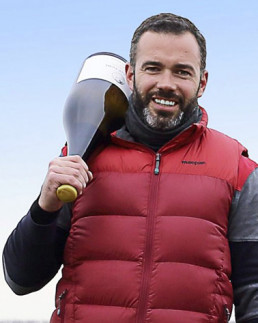
Antoine Gouffier was bitten by the travel bug. A French native, he opted to grab a backpack at 21 years old and see the world before he settled in and put roots down, both literally and figuratively. And he’s all the better for it.
On his 12-year whirlwind journey, he explored America, Argentina, Africa, and the Middle East and a lot of this was done through the lens of viticulture, “In America he began with learning all about the three-tier system from various wine importers, then his time in Argentina was spent with Michel Rolland and his right-hand-man Thierry Haberer of Clos de los Siete wine estate. Once arriving in South Africa Antoine worked and learned from Duncan Savage, and as a sweet surprise it was where he met Ilse Nel, his now wife,” explains Clos Cachet.
“Antoine is driving a new dynamic for this appellation which had gradually become bogged down in a very average production, driven by a conventional approach very little inclined to change. He seems to embody this necessary renewal with an approach oriented towards respect for the living and the terroir.”
The Vintage Club Singapore
Antoine Gouffier at Domaine du Bouchot is the only producer in the appellation to make macerations, in particular with full vinification in barrels for some of his cuvées.
An Ecological Approach
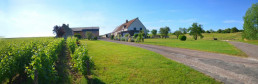
When Antoine came aboard in 2018, the estate had already been certified organic for nearly a decade. Its certification was awarded in 2009, and it was the first domain in the appellation to convert.
Antoine opted to take this to the next level, and just two years after he purchased the estate it was officially certified biodynamic (Demeter) in 2020.
“Domaine du Bouchot stands as a pioneer of organic and biodynamic viticulture in the Loire Valley. Based in Pouilly-Fumé, the estate has built a reputation for crafting Sauvignon Blancs of crystalline purity, driven by terroir and marked by energy and finesse. With a deep respect for the land and an uncompromising pursuit of authenticity, Bouchot delivers wines that are as precise as they are expressive.”
The Vintage Club Singapore
Interested in organics and biodynamics? We’ve got some great tell-all reads:
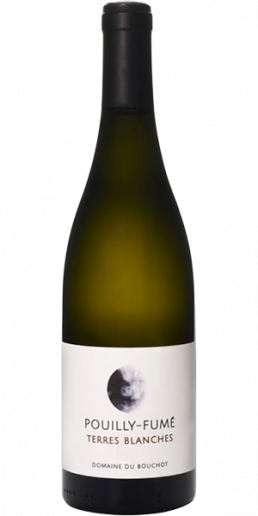
2023 Domaine Du Bouchot “Terres Blanches” AOC Pouilly-Fumé
- 100% Sauvignon Blanc
- From Les Champs du Roin Haut et Bas, La Côte des Près, Les Déserts, Le Domaine du Bouchot, Les Frisés, Les Genièvres, Les Bascoins and Les Champs de la Croix (8.32 ha.)
- Average vine age 35 to 40 years
- Planting density 7500 vines/Ha. South-southeast facing. Yields 55 L/ha. Altitude: 190 – 230 m
Nice citrus notes at the nose with an elegant attack in mouth with tension and pear aromas. Balance, delicate and fine, it will be ideal with fish and sea shells.
James Suckling, 92 Points: “Tightly packed aromas of citrus fruit, fresh flowers and minerals follow through to a silky, medium-bodied palate, driven through the long finish by a solid, dry-mineral foundation. Leaves a curious aftertaste of dried banana and a tinge of vanilla. From biodynamically grown grapes with Demeter certification. Drink now.”
Vinous, 92 Points: “The so-named Terres Blanches bottling offers a tender texture with mouthwatering acidity and tension…”
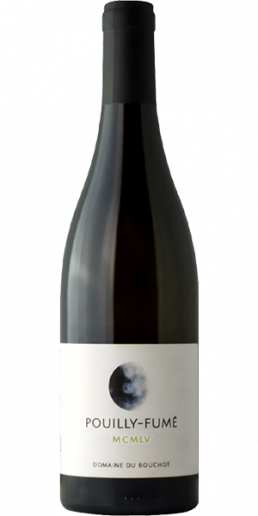
2023 Domaine Du Bouchot “MCMLV” 1955 Pouilly-Fumé
(Available in 750ml and 1.5L Magnum)
- 100% Sauvignon Blanc
- From Les Coûtes and Les Sapins (0.46Ha.)
- Vines date back to 1955, with an average age of 40 years
- 7500 vines/Ha. South East facing. Yields 55L/Ha. Altitude: 230m
This wine is all about roundness with citrus aromas. The mouth is complex, intense with an elegant power at the end. It is the perfect pairing with sophisticated preparation from starter to dessert.
Neal Martin: “The 2023 MCMLV is a rich and succulent style. The name refers to 1955, the year the Sauvignon Blanc vines that produce this were planted. This is already approachable and silken. Despite a generous vintage, it still has decent concentration. This is all about texture and ease. It was all harvested by hand and delicately handled. The Kimmeridgian soils plus three days on skins lend a chalky texture here. Aromatically delicate and open, you can expect pear, elderflower, honey and a hint of boxwood.”
James Suckling, 94 Points: “A complex, well-structured white with aromas of ripe gooseberries and grapes, as well as wild flowers follow through to the medium -to full-bodied palate, where softer minerals, but still with some grip, sustain the fruit through the very long finish Old vines. Invites you to take a second sip. From biodynamically grown grapes with Demeter certification. You can drink this now, but it will be interesting to see how this develops over the next few years. Drink or hold.”