Zaccagnini: The Stick and the Story
“Tralcetto”: “small vine twig” or “small stem”
If you’ve spent any time perusing wine shops overseas, you’ve likely seen Zaccagnini, and now we’re SO excited to be bringing it here to NZ so we can join the party!
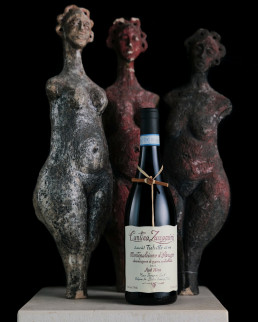
If its unique ‘hand drawn’ label wasn’t eye-catching enough, its trademark ‘Tralcetto’ twig certainly is. The combination of both makes this line from Zaccagnini a very exciting conversation-starter indeed, and that’s before you even open it!
The old world regions have some mighty fine drops but they also often come with mighty fine price tags. Top end Tuscany and big-time Bordeaux are real end-game wines for serious collectors but at Dhall & Nash we take great delight in unearthing stand-out drops across the spectrum. Well-established but comparatively less “glitzy” regions like Abruzzo have all the savoir-faire to produce absolute stars that offer extremely broad approachability with much friendlier price tags, as this newcomer so perfectly exemplifies.
First Thing’s First: The Twig
Front and centre on the bottle (and now front and centre on this blog), you can’t get to Zaccagnini without going past the twig.
“The stick—an actual grapevine cutting straight from the vineyard—that adorns each bottle of Zaccagnini wine is more than just an eye-catching signature for the winery. It’s a promise of this Abruzzo producer’s commitment to craftsmanship, authenticity, and tradition.”
Wine Spectator
Every bottle of Zaccagnini’s ‘Tralcetto’ range has a twig from the vineyards hand-tied to the neck. The Zaccagnini team are extremely passionate artisans with a deep love and respect for their land. This is a quality we find reflected in so many of our winery partners, and one we actively look for when selecting them, but the famous Zaccagnini twig is their special extra way to bring the vine to us and to share in celebrating and honouring the work the vineyards and the people put in to creating the wines.
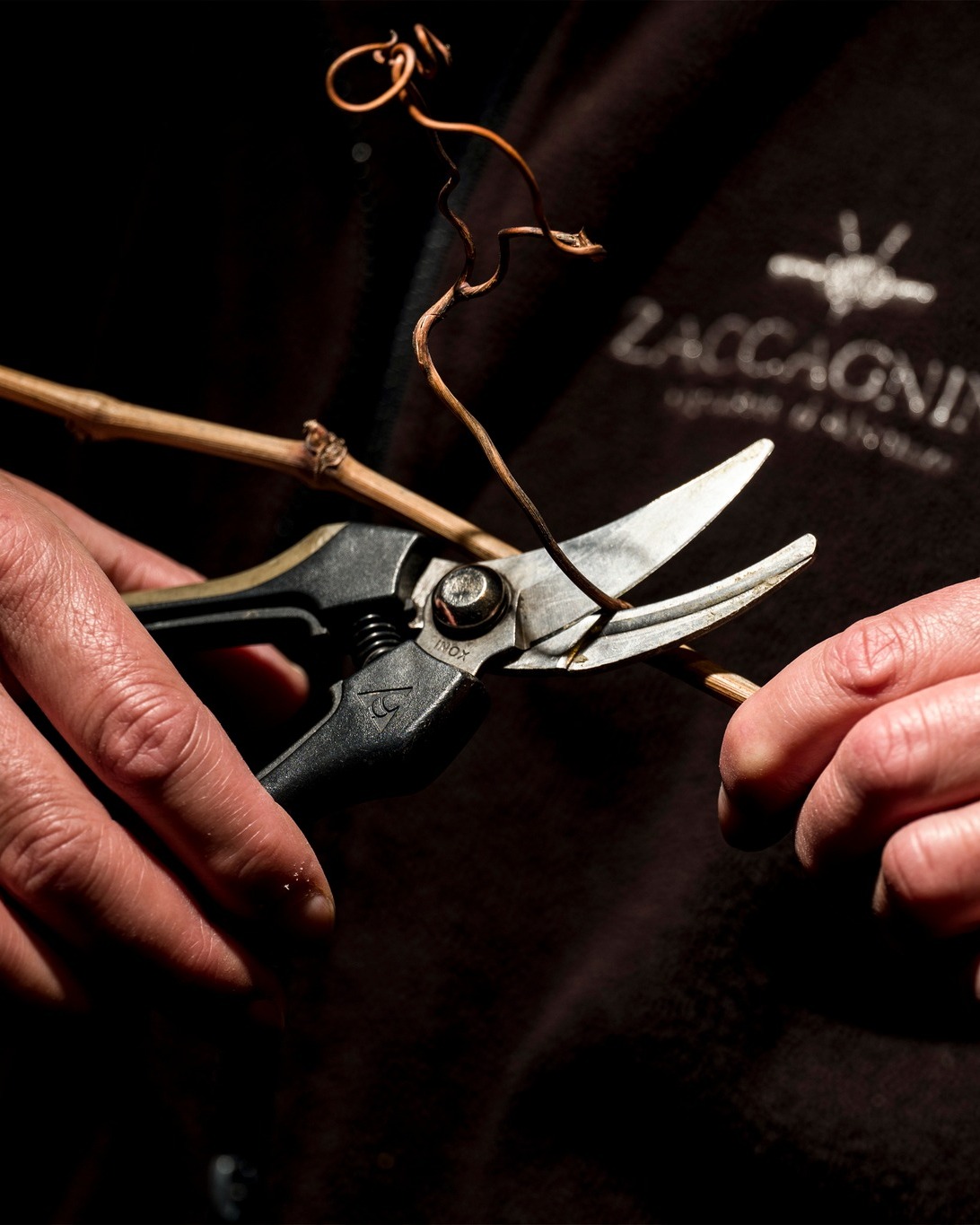
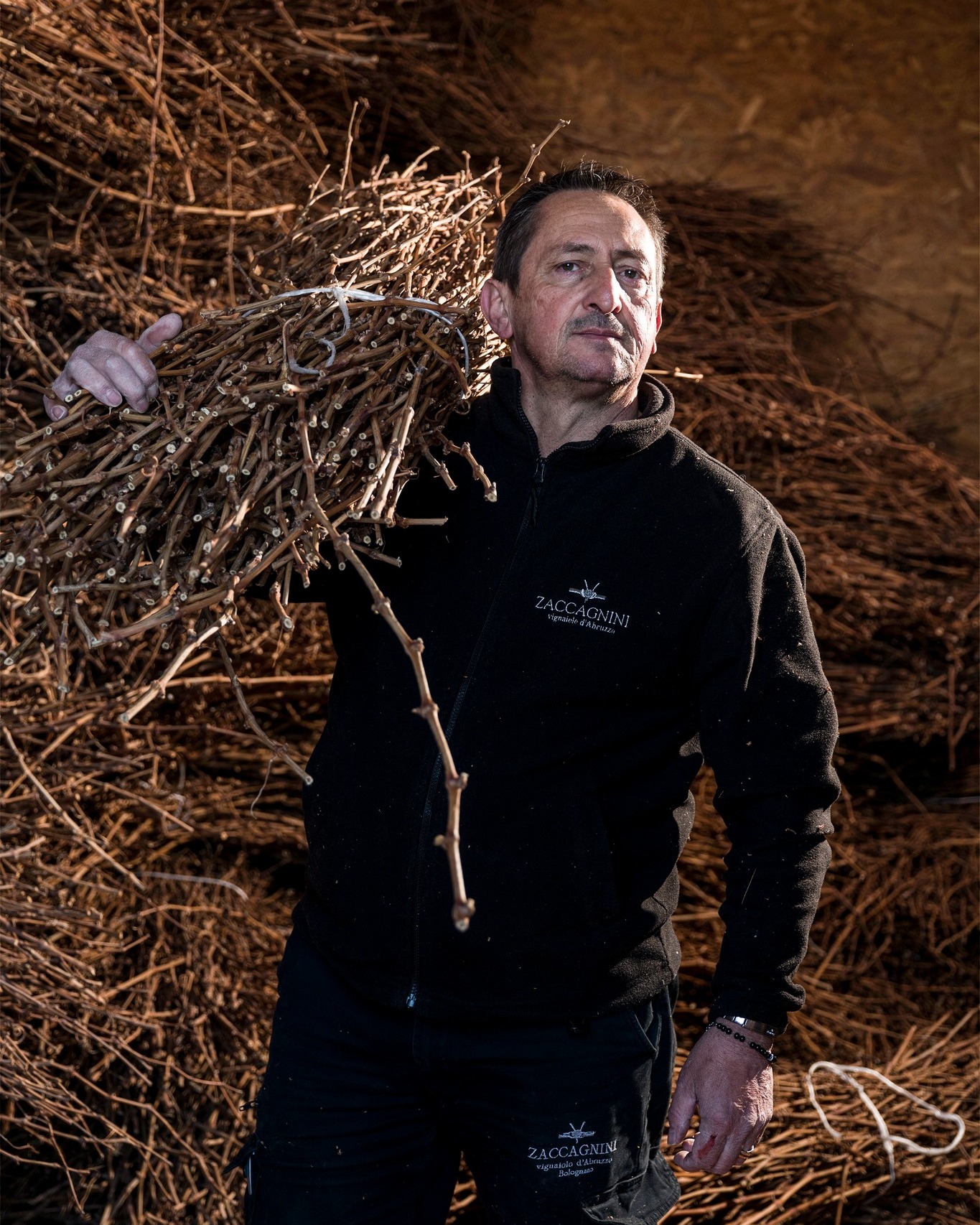
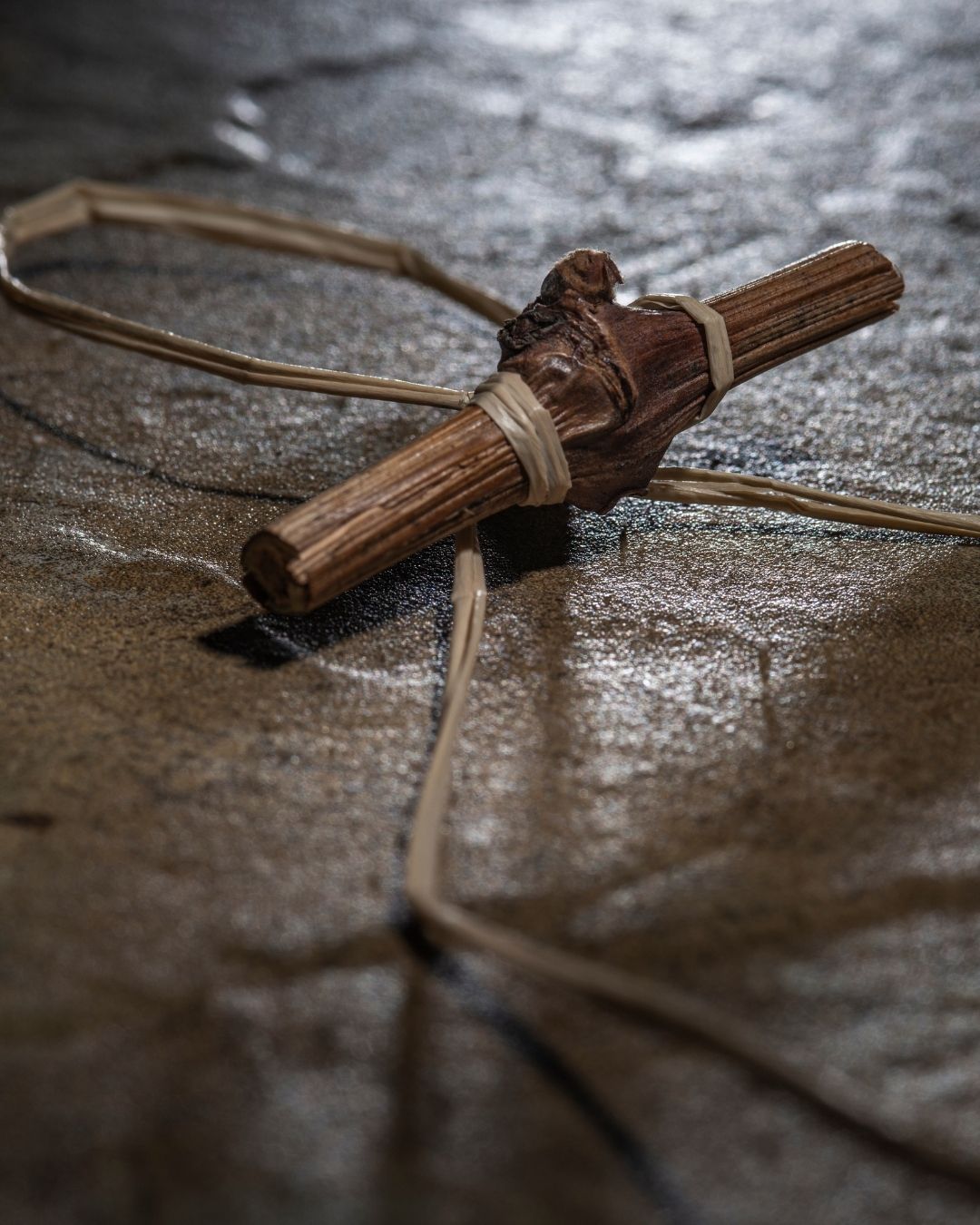
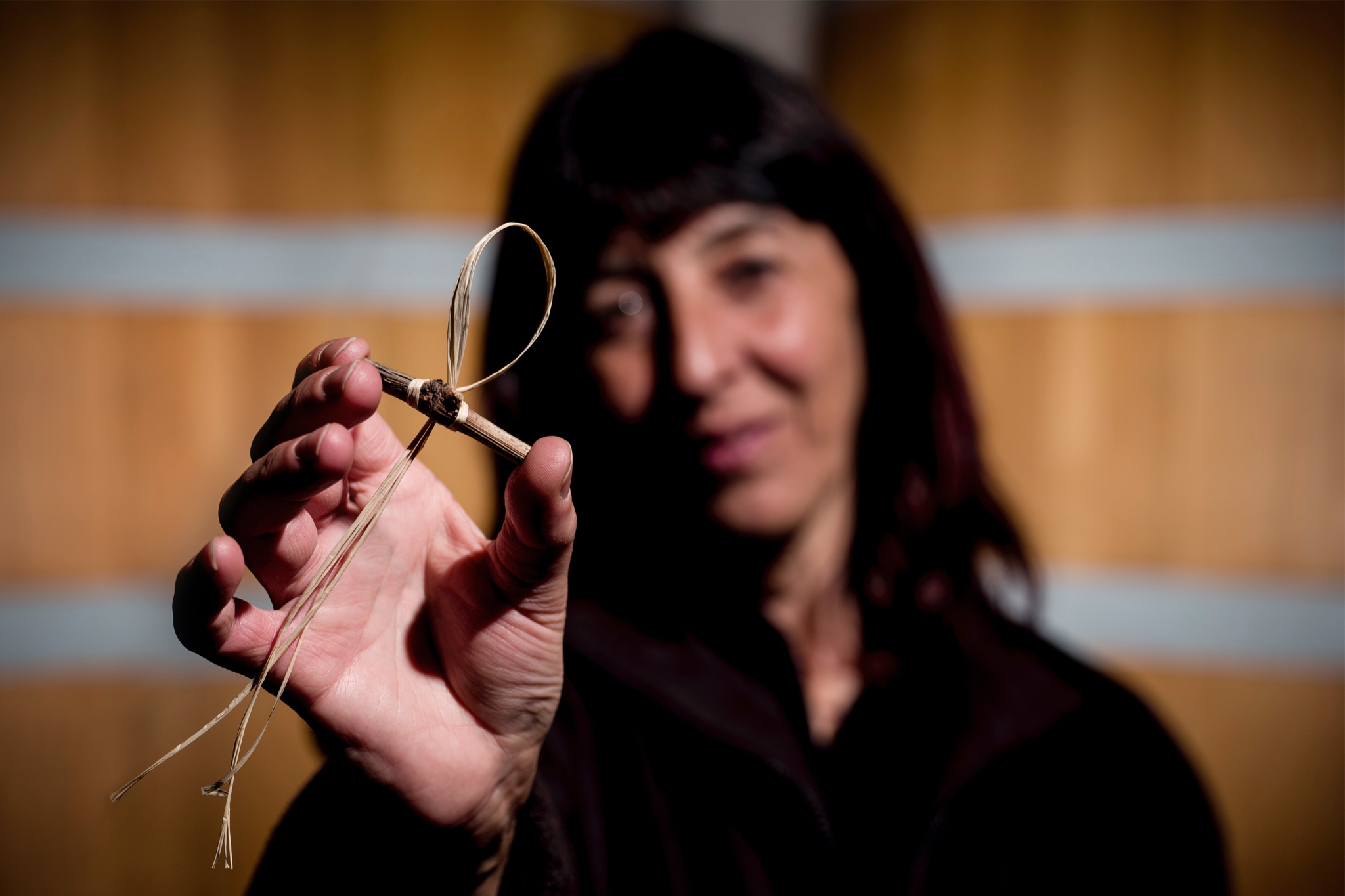
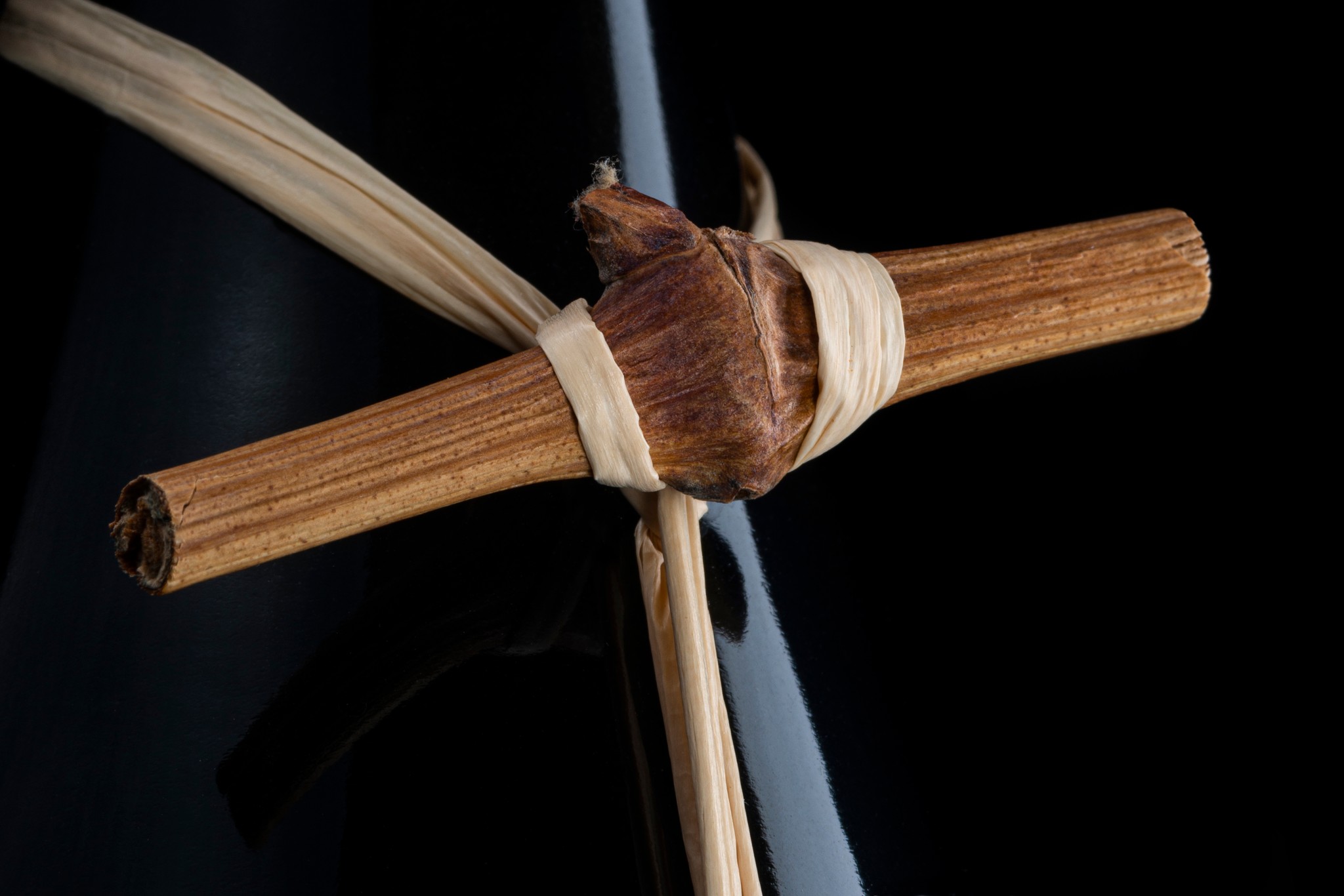
“Every bottle of Tralcetto begins here — with hands, pruning shears, and a winter vine shoot selected one by one. This gesture, repeated season after season, is at the core of our identity: a symbol of origin, craftsmanship and the deep connection between our wines and the land of Abruzzo. This is Tralcetto: a detail that carries meaning, quietly and without emphasis, just like the wine itself. A small detail. A signature recognised all over the world. ”
But the iconic Tralcetto has become so much more in its representation of the people and the land. It is a symbol, an extended branch (literally) from the makers to the consumers, and acts as a promise…
“If the stick on each bottle is a promise of Zaccagnini’s commitment to artisanal, authentic winemaking, the wine itself follows through on that promise. In the glass, it’s easy to see why Zaccagnini’s “stick wines” have earned the trust of wine lovers throughout their legacy, and will continue to do so for many years to come.”
Wine Spectator
Cantina Zaccagnini: Branching Out
After many generations of grapegrowing in the Abruzzo region, Cantina Zaccagnini officially started in 1978 as ‘Azienda Agricol Ciccio Zaccagnini’ and made around 1000 bottles a year. When Ciccio’s son, Marcello came on board shortly after its inception, he decided to mold the company producing high quality Italian wine with a young and innovative style.
This proved a wise move. Heritage in Italy is important, and the traditional respect for the soil and vine is inherent, but by sharing that with the world in the way Marcello spearheaded, they’ve grown exponentially.
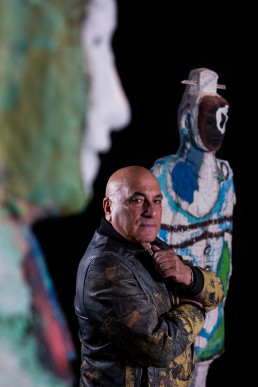
“I discovered a legacy producer with eyes on the future…a winery that’s both a historical gem and a beacon of innovation.”
Wine Diva
From their humble 1000 bottle beginnings, Zaccagnini now produces around 500,000 cases of premium wine a year. “My family were grape farmers, I was young – not even 20 years old – and I decided to take a different direction – making and bottling wine,” Marcello explained to Winesu.
“There are about 150 of us working in the winery, 90% are people who live here where I was born – a small village with just 250 inhabitants. Almost the whole village works with us here in the winery.”
“’Total Quality’ is the fundamental element in keeping Zaccagnini successful,” Zaccagnini states, “We want to satisfy our customers because ultimately, they are the ones that guarantee the development and progress of our company.”
The Hands that Tend: Concezio Marulli
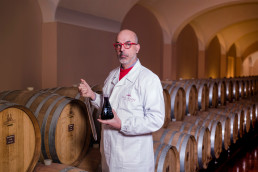
Zaccagnini’s winemaker and enologist, Concezio Marulli, is meticulous in applying the ‘total quality’ ethos championed by Zaccagnini. He is constantly researching new vine clones and fermentation techniques in the state of the art, on-premises laboratory.
“High quality wine is born in the vineyard, grows in the cellar, and becomes noble by bottle aging,’’ he told Syngenta Group.
Concezio is passionate about the region and its ecological health. Speaking to Winesu, he explains that “the microclimate here is exceptional. We’re in the area of Abruzzo which is most suited to wine growing.”
Montepulciano understandably holds a special interest for him, being the flagship wine of the region and of Zaccagnini, “It is soft and velvety with great persistence. The mission for this wine was to make a balanced Montepulciano.”
“Wine, the Art of Man”
‘Wine, the Art of Man’ is on every label of Zaccagnini, and it’s not just a throw away statement.
A real point of difference for Zaccagnini is the melding of art and wine in their work. Wine is a form of art, so naturally the Zaccagnini team is passionate about art and the community beyond the wine too. It’s all interconnected.
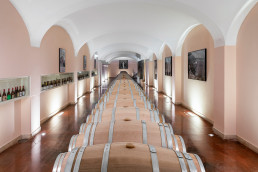
“For Marcello Zaccagnini, wine and art are an indissoluble combination. Two forms of pleasure that require to be equally cultivated with love, patience and rigour.”
When Marcello Zaccagnini started to really look at how to make this wine, he wanted it to be something more. It started with the wine itself, “The problem wasn’t just about how to transform the grapes, the pressing and things, but how to style the finished product,” he explained. “Create a label, the packaging… a design to best represent me.”
Then, it expanded. Now, Zaccagnini is known for its extensive art and sculpture collection at the winery. Its aim was to become a cultural reference point for artists, musicians, writers and enthusiasts. Some of the important events that the winery has hosted include the “Premio Nazionale Giuseppe Prisco” and the “Tralcetto dell’Amicizia”.
“The vineyards and Cantina Zaccagnini are places where you can breathe art, every day. This is why we have created a unique gallery where you can stroll among the works of contemporary artists such as Joseph Beuys, Mimmo Paladino, Pietro Cascella, Diego Esposito, Bizhan Bassiri, Franco Summa, David Bade, Gino Sabatini Odoardi, Simone Zaccagnini, Sandro Visca, Dino Colalongo and Mauro Berrettini.”
“The winery… is a unique example of wine production area turned into a museum of contemporary art,” states blogger Abruzzo4foodies, “Visiting the wine estate is a pure joy to any art and wine lover.”
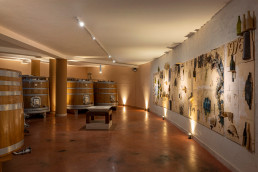
“A Fusion of Art, Soul, and Sustainability,”
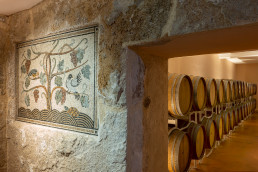
the wine blogger ‘Wine Divaa’ muses. “Stepping into Cantina Zaccagnini was an immersive experience where art and the spirit of Abruzzo intertwine… I was captivated by some of the pieces and how they appeal to their own history. A mural in one of their barrel rooms showcases the Zaccagnini history from the foundation date until the 2000s and how the ups and downs are portrayed to remember the challenges on their path.”
“Marcello has accumulated a world class art and sculpture collection that is on public display in the winery, as well as in the vineyards, and supports many art festivals throughout the year.”
– Winesu
“In Defence of Nature”
The famous hand-tied stick was initially a tribute to the German artist, Joseph Beuys, who has inspired a lot of practices at the winery in their mission to work with nature, not against it.
As well as being an influential and inspiring artist involved with the estate from its early inception, Joseph Beuys was an early proponent for sustainability. His artwork was performative and thought-provoking, with the aim to heal the broken relationship between humanity and nature. He felt that incessant rationality was overtaking emotion and connection, and this rift was separating us from nature.
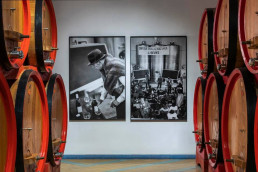
The Zaccagnini family was good friends with Beuys, and even hosted a presentation of his famous campaign, “Defense of Nature”, which he called a “social sculpture” – essentially a performance that was well documented to bring awareness to the cause.
This campaign has since gained great attention. Official photographs from it are housed in the Tate, in the ARTIST ROOMS Collection and exhibitions are still being shown of this work at renowned galleries such as the Guggenheim and The Broad to this day.

Whilst the Guggenheim is an excellent place to leave a legacy, Beuys’s influence lives on in the Zaccagnini winery too. Not just in its ethos, but physically and tangibly. He frequently visited the winery throughout the early and mid 80s, and thus it’s now home to a number of his pieces.
An Ecological Approach
Sustainability is paramount for the team at Zaccagnini.
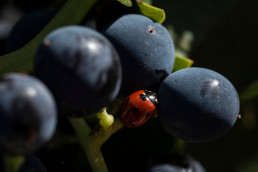
Concezio Marulli believes their position within Abruzzo lends them the unique privilege of being able to maintain meaningful production without compromising the quality of the environment.
“This microclimate reduces the number of treatments the grapes need,” he told Winesu, “That means a more sustainable and healthier environment. The winery works in accordance with all quality standards and certificates, so we can monitor the quality of our water, air and soils.
We’ve created a green oasis in this area by planting 500 oak trees following the philosophy of the German artist, Joseph Beuys, working in “defense of nature”.”
“The vineyards on this 500-acre estate are farmed organically, yielding Zaccagnini’s core selection of red, white, and rosé “stick wines.” It’s also important to the winery that they invest in the local community and its culture, employing time-honored traditions of winemaking and displaying the work of local artists throughout the winery and vineyards.”
Wine Spectator
Abruzzo
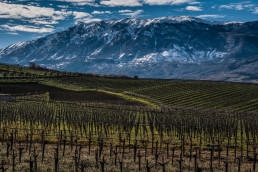
Decanter paints a romantic vision of Zaccagnini’s corner of the world, “In the rolling hills of Bolognano, the Zaccagnini winery is set against the backdrop of the distinctive regional landscape of rolling hills of Bolognano, the sea and the Apennine mountains, with the historic Romanesque abbey of San Clemente a Casauria nearby.”
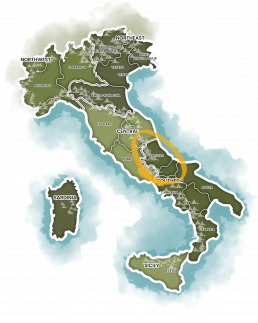
Abruzzo is on the eastern coast of Italy, on the ‘calf’ of the boot. It’s a region defined by its unique combination of mountainous terrain and proximity to the ocean – truly the best of both worlds.
Tuscany, to the regions North-West, is more well-known internationally than Abruzzo. This is for a couple of reasons. Firstly, the long Adriatic coastline that the Abruzzo region boasts is a hugely popular tourist destination and thus, a lot of the wine is enjoyed locally on the spot by visitors! But it’s also thought that seeing as the mountains separated the region from Rome to the west, they had less of an influence so were able to forge their own vinous identity, distinct from the roman-inspired Tuscan Sangiovese offerings.
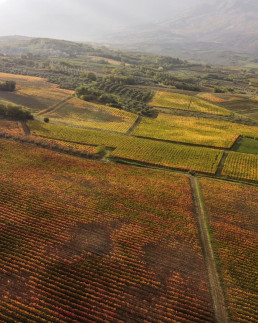
“Abruzzo doesn’t often make the headlines, but it absolutely deserves more of the spotlight.”
– Sarah Kate
Whilst it is overshadowed as a winemaking region, it’s no small player. It produces more than 22 million cases of wine each year, making it the fifth most productive region in Italy.
Around 21.5% of the Abruzzo production is ‘denominazione di origine controllata’ (DOC), and more than two-thirds of the region’s wine is produced by co-operatives or sold to negociants in other Italian wine regions.
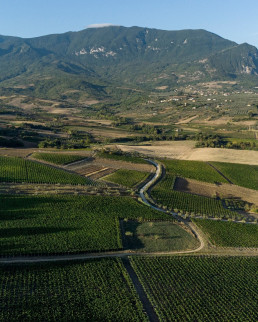
The mountainous terrain that defines the region is a secret weapon in producing the delicious, food-friendly bottlings that it’s known for. Some of the vineyards are over 600m above sea level, and the ruggedness and altitude lends a lot of protection and shelter from storms from the west.
The Mediterranean climate (courtesy of the expansive Adriatic coastline,) and dry, oceanic breeze over the summer can produce prodigious yields from the vineyards.
Vintage variation can be significant, though, due to the varied rainfall the region receives. While the storms that approach from the west are often thwarted by the mountains, the eastern storms are a different story. They can get ‘trapped’ by the mountains and can stay over the region for longer periods of time. Some of the 1990’s vintages from Abruzzo were pretty stressful given some good deluges.
“The microclimate here is exceptional. We’re in the area of Abruzzo which is most suited to wine growing.”
Winemaker and enologist, Concezio Marulli
The Signature Varietals
The Red - Montepulciano d'Abruzzo
Abruzzo’s flagship wine is Montepulciano d’Abruzzo from their native Montepulciano grapes (not to be confused with Vino Nobile di Montepulciano from Tuscany, which is primarily Sangiovese from the village called Montepulciano).
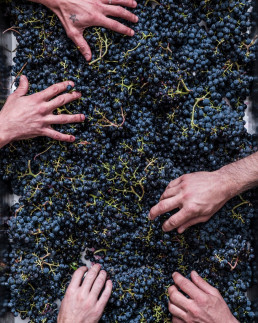
Montepulciano has a reputation for being an easy-drinking wine. It’s fruity and forward with soft tannins and a light peppery interest.
Zaccagnini – like many of the wineries in this region – holds Montepulciano close to its heart.
“It is the wine which Zaccagnini started with, which he invested in most,” Concezio Marulli explains. “The color is extracted from the skins through maceration for seven to ten days at a controlled temperature. The most important step is the aging in oak casks, which creates a unique wine. It is soft and velvety with great persistence. The mission for this wine was to make a balanced Montepulciano. It has this ruby red color with some purplish reflections. Its fruity bouquet is reminiscent of blackberry and violets in the mouth. It’s smooth – very pleasing – with great persistence. An absolutely harmonious wine.”
“Their dedication to sharing broadly their native grapes with the world is evident in their pursuit of new single-varietal styles and continuous refinement of their craft.”
Wine Diva
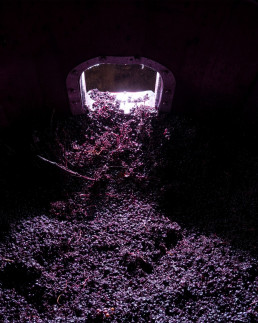
Montepulciano is beloved by locals and visitors, and is enjoyed thoroughly in the region. It’s incredibly food friendly and naturally sings alongside Italian cuisine, though it’s a bit of an over-achiever for matching. Enzo Vogliolo, Zaccagnini’s CCO, finds it incredible and thrilling seeing it make waves overseas, telling Winesu that it’s “A very versatile wine which pairs well with lots of cuisine, born to accompany Italian cooking. Now it is served with food from all over the world!”
Together with Trebbiano d’Abruzzo, Montepulciano d’Abruzzo is one of the most widely exported DOC wines from Italy, particularly to the United States, of which Zaccagnini is a notable leader.
The White - Trebbiano d'Abruzzo
Abruzzo’s white signature grape is Trebbiano d’Abruzzo. It’s a high-yielding and reliable varietal that produces versatile, light-bodied wines with soft fruit, floral flavours and crisp acidity.
Similar to Montepulciano d’Abruzzo, Trebbiano has struggled to distance itself from its false Tuscan counterpart. It was once thought to have been a clone of “Trebbiano Toscano” but is now understood to actually be a southern Italian white grape called ‘Bombino bianco’.
“Its origins are certainly Italian, but the exact location remains uncertain due to numerous places that reference this name. Trebbiano’s widespread popularity is due to its resistance to diseases and pests, its adaptability, and its high productivity,” explains Gambero Rosso.
Trebbiano’s reputation is not ‘glitzy’ but it is consistent, rarely blowing people away but similarly rarely disappointing anyone, and in fact its reputation is undergoing somewhat of a transcendence at the moment, with Gambero Rosso noting that “Trebbiano is making a comeback, with producers aiming to restore this classic white with versions released after at least a year. We found complex and nuanced wines that grew more interesting with age.”
So it would seem the world of wine is catching up with what the locals already know: you can’t go wrong with Trebbiano.
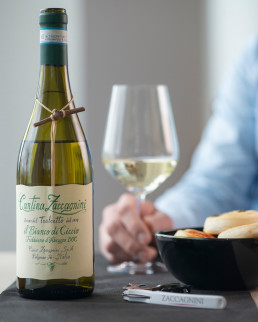
The Wines
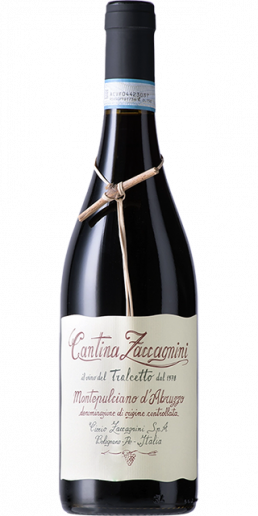
Zaccagnini Tralcetto Montepulciano d’Abruzzo DOC 2023
- 1.5L Magnum and 3L Double Magnum available
- Medium-textured clay soil
- Destemming-crushing and submerged cap maceration of the crushed grapes with temperature-controlled fermentation for about 15 days
- Maturation in stainless steel on the lees until bottling
- Enjoy with pappardelle with spicy ragù, meaty lasagne or a smoked-meat charcuterie platter.
Medium purple-red color with violet hues. The nose opens to notes of red berries and spicy nuances of white pepper. On the palate we can find a correspondence of olfactory scents, good persistence with soft and balanced tannins.
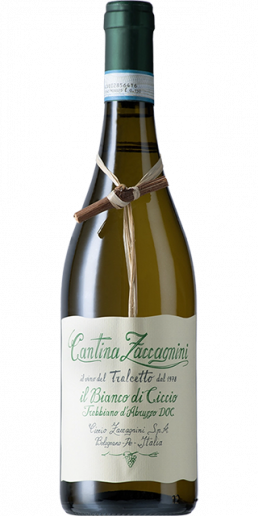
Zaccagnini Tralcetto Trebbiano d’Abruzzo DOC 2024
- Medium-textured clay soil
- Grape-destemming, soft pressing under vacuum to extract the free-run juice and fermentation of the clear fraction only at low temperature for 10 days.
- Aging in stainless steel tanks for 3 months and subsequent bottling.
- Enjoy with fresh snapper, ceviché or creamy chicken fettuccine.
Straw yellow color of medium intensity. The nose is intense and fragrant with a bouquet centered mainly on white-fleshed fruit with hints of citrus and dried fruit. The palate alternates between freshness and savoriness and the citrus scents perceived on the nose are rediscovered.
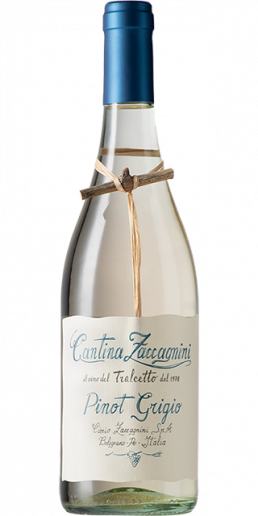
Zaccagnini Tralcetto Pinot Grigio IGT Terre d’Abruzzo 2024
- Medium-textured clay soil
- Grape-destemming, soft pressing under vacuum to extract the free-run juice and fermentation of the clear fraction only at low temperature for 10 days.
- Aging in stainless steel tanks and subsequent bottling.
“Aromas of yellow apple, white peach, white flowers, almonds and lemon on the nose shift to lemons, limes and green apples alongside the yellow apples on the palate, before more stone fruit and nuts peek around the corner. Vibrant Acid.” – Wine Enthusiast
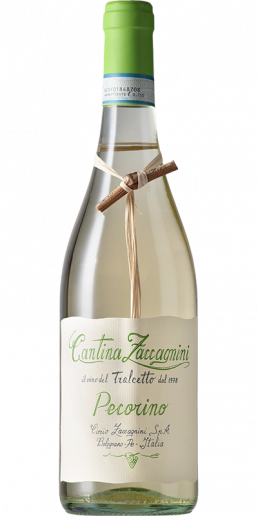
Zaccagnini Tralcetto Pecorino d’Abruzzo DOC 2024
- Medium-textured clay soil
- Soft pressing of the grapes, cryo-maceration, vacuum pressing to extract only the flower must, cold clarification of the must and fermentation of only the clear fraction at low temperature in stainless steel.
Straw yellow color tending towards greenish, with slight golden hues. The nose is fragrant and powerful with notes of yellow flowers and fruit and hints of herbs, such as thyme and mint. In the mouth it shows a continuous balance between thickness and freshness and salinity.
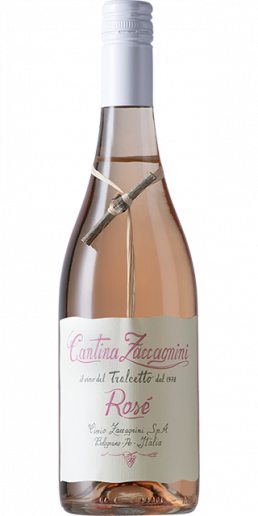
Zaccagnini Tralcetto Rosé IGT Terre d’Abruzzo 2024
- Medium-textured clay soil
- Rapid destemming-crushing and soft vacuum pressing until exact colorimetric parameters are obtained. Fermentation at low temperature in stainless steel tanks and bottling with screw cap closure.
Bright pink color of medium intensity. The nose shows floral nuances of violets and roses alternating with notes of tart red fruits (raspberry, currant). The palate is balanced, with freshness and savoriness driving to the aromatic return of small red fruits on the finish.